
Your wildly multifarious home!
Tabletop Gaming Feeds
Wednesday Comics: DC, April 1985 (week 4)
I'm reading DC Comics' output from January 1980 (cover date) to Crisis! This week, I read the comics on sale on January 24, 1984.
Detective Comics #549: Moench and Broderick/Smith complete Harvey Bullock's journey from villain to buffoonish minor character to secondary protagonist. Moench reveals that Bullock's slovenly appearance and gruff demeanor are a bit of a put on. The inner Bullock is really a more introspect fan of classic Hollywood with a very tidy apartment. When a gang trashes that apartment and movie memorabilia in revenge, Bullock proves himself a capable fighter as well.
The Green Arrow and Black Canary backup, "Night Olympics" is a rare superhero story by Moore with art by Janson. It's a humorous piece where Green Arrow's opponent has a breakdown thanks to the number of times he's been unlucky enough to get caught by superheroes (and the last was Metamorpho!) while Canary confronts a couple of thugs who think she's Wonder Woman and surrender immediately to avoid being beat-up by a woman. Things turn serious when they're attacked by a crook who's gotten a bow and arrow from a super-villain armor.
Action Comics #566: Boldman and Randall bring back Captain Strong (DC's take on Popeye), not seen since 1981, for his last appearance. Clark Kent and Lois Lane go on a cruise with Strong and his wife Olivia and run into trouble on an island inhabited by the sorcerous Old Woman of the Sea (a Sea Hag stand-in) and Strong's long-lost Pappy.
The second story by Newell and Bender/Oksner has a young girl trying to get into an Autograph Hounds club by getting Superman's autograph. The Man of Steel discovers the girl is an orphan raised by an older couple like himself and helps her out.
America vs. the Justice Society #4: The committee hearing draws to a close, and I really can't see what they would have gotten out of hearing the JSA related their adventures, but a few character witness testify for them. One person who does get something out of the history lesson is Dick Grayson. He realizes the stories and the diaries seem to circle around the disappearance of Professor Zee. He goes to his residence and finds Per Degaton there, waiting for the return of the time machine so he can again make a bid for conquest. This was apparently what Batman's false account was meant to point at: the periodic return of the time machine and Per Degaton. Why Batman didn't just tell somebody is put down to the mental effects of his cancer and his distance from the JSA. Anyway, the whole team and the committee show up to rescue Grayson and capture Degaton.
Arion Lord of Atlantis #30: Duursema returns for this arc. Atlantis is beset by unnatural storms that Arion traces to mysterious ancient tower than looks like a nuclear plant cooling tower on the edge of the city. Arion and Chian go inside through an underground passageway and are attacked by a group of beast-men, who of whom is a transformed Wyynde. The scientist who created them then sends drones after our heroes. Arion's magic causes the drones to explode, and the feedback destroys the computers guiding them, killing the scientist. Now they must find a way to restore Wyynde.
All-Star Squadron #44: Thomas/Kupperberg and Jones/Marcos have Hourman and Firebrand and Phantom Lady and Tarantula go on a double date to a costume party thrown by Firebrand's father, a steel magnet. Nazi supervillains Night and Fog crash the party because prior to Pearl Harbor Ed Reilly was helping the Germans against the Russians and the British (who, as an Irishman, he hated). The two threaten him to get him back on their side. When he refuses, they throw him out a window. Our heroes battle the villains, ultimately forcing them to flee, but Ed Reilly is killed.
Jonah Hex #90: Morrow comes aboard on art duties as it seems like Fleisher may be moving the disparate strands of his story to some sort of conclusion. Silver Ames, a woman out to prove herself the fastest gunfighter in misguided grief over her father's death, shoots Hart in the back after he refuses to duel her. Mei Ling identifies the body at the mortuary.
Ames sets out to find Hex, who has left Mrs. Crowley's boarding house to find Emmylou. He has a run of bad luck, though, getting caught in a rockslide that kills his horse. Then he's attacked by a cougar. Meanwhile, Emmylou, in grief over believing she killed Hex, finally gets up the courage to make a break from the gang of robbers. She slashes Brett with a knife and escapes the house.
Hex visits the doc in Red Dog before he's accosted by Ames who admits to Hart's murder and demands Hex fight her. Hex tells her she'd lose and gives her some constructive criticism on her technique. When she draws on him, he shoots her in the chest twice and walks away, leaving her body in the street.
Spanner's Galaxy #5: Spanner and Gadj castle into a factory town on an alien world beset by a serial killer. Spanner is sort of drafted into the position of sheriff but also gets reunited with his family. Spanner and his sister (whose on the force, herself) discover the identity of the killer, and that he's being using robots to do the job. Baka and the intergalactic cops arrive, and we are finally given a reason why they are after Spanner: he's a carrier for a contagious illness. Seems odd that they couldn't have said this previously, but anyway, he turns himself in and is put on solitary quarantine on an asteroid.
Sun Devils #10: Jurgens takes over as writer and artist with this issue. After their defeat and betrayal last issue, the Sun Devils are disgraced, grounded, and soon to be disbanded. With the Sauroid fleet heading toward Centauri, Rik goes rogue and lies to the team to get them to go on a daring infiltration mission to recapture the Starcrusher weapon. He also gets a new look too, with stubble and a sleeveless vest with no shirt. Anyway, they manage to get onto the Sauroid cruiser but head the wrong direction and stumble upon Anomie.
Tales of the Legion #322: Dawnstar seems to be falling for the priest Jhodan and him for her even as the high priestess Awian orders them both brought in for apostasy. Jhodan's novitiate, jealous of the relationship, leaves vowing to bring her form superior down. Meanwhile, Brainy is taken by the apparently mentally ill guy he's fallen in with to a village where he is (surprisingly) accepted. Digging around, he finds the hint of a mystery and some ancient Earth recording tapes.
The Newell/Levitz story here feels very Star Trek, but I'm not sure that's what the Legion needs.
V #3: Bates and Infantino/DeZuniga complete the story of Sparkle Springs. Captain Devon and his troops arrive and manage to capture some of the resistance fighters. When the kid, Billy Lee, takes a shot at the Visitors to help the captives escape, he's killed by the soldiers. Donovan tries to get the townsfolk to rise up at Billy's funeral, but they don't seem to listen. Later though, after the resistance sabotages the aliens' extraction of the spring water with explosives, the townspeople finally join the fight and help drive the Visitors out.
World's Finest Comics #312: Cavalieri and Woch/Alcala reveal an unscrupulous company using substandard steel in a newly constructed bridge in Gotham. Superman works to stop its collapse while Batman saves a whistleblower from an assassin. Interesting, the Monitor shows up still testing the two heroes for weaknesses to sell. Apparently Cavalieri didn't know this issue would hit after Crisis #1 changed our view of the Monitor.

Detective Comics #549: Moench and Broderick/Smith complete Harvey Bullock's journey from villain to buffoonish minor character to secondary protagonist. Moench reveals that Bullock's slovenly appearance and gruff demeanor are a bit of a put on. The inner Bullock is really a more introspect fan of classic Hollywood with a very tidy apartment. When a gang trashes that apartment and movie memorabilia in revenge, Bullock proves himself a capable fighter as well.
The Green Arrow and Black Canary backup, "Night Olympics" is a rare superhero story by Moore with art by Janson. It's a humorous piece where Green Arrow's opponent has a breakdown thanks to the number of times he's been unlucky enough to get caught by superheroes (and the last was Metamorpho!) while Canary confronts a couple of thugs who think she's Wonder Woman and surrender immediately to avoid being beat-up by a woman. Things turn serious when they're attacked by a crook who's gotten a bow and arrow from a super-villain armor.

Action Comics #566: Boldman and Randall bring back Captain Strong (DC's take on Popeye), not seen since 1981, for his last appearance. Clark Kent and Lois Lane go on a cruise with Strong and his wife Olivia and run into trouble on an island inhabited by the sorcerous Old Woman of the Sea (a Sea Hag stand-in) and Strong's long-lost Pappy.
The second story by Newell and Bender/Oksner has a young girl trying to get into an Autograph Hounds club by getting Superman's autograph. The Man of Steel discovers the girl is an orphan raised by an older couple like himself and helps her out.

America vs. the Justice Society #4: The committee hearing draws to a close, and I really can't see what they would have gotten out of hearing the JSA related their adventures, but a few character witness testify for them. One person who does get something out of the history lesson is Dick Grayson. He realizes the stories and the diaries seem to circle around the disappearance of Professor Zee. He goes to his residence and finds Per Degaton there, waiting for the return of the time machine so he can again make a bid for conquest. This was apparently what Batman's false account was meant to point at: the periodic return of the time machine and Per Degaton. Why Batman didn't just tell somebody is put down to the mental effects of his cancer and his distance from the JSA. Anyway, the whole team and the committee show up to rescue Grayson and capture Degaton.

Arion Lord of Atlantis #30: Duursema returns for this arc. Atlantis is beset by unnatural storms that Arion traces to mysterious ancient tower than looks like a nuclear plant cooling tower on the edge of the city. Arion and Chian go inside through an underground passageway and are attacked by a group of beast-men, who of whom is a transformed Wyynde. The scientist who created them then sends drones after our heroes. Arion's magic causes the drones to explode, and the feedback destroys the computers guiding them, killing the scientist. Now they must find a way to restore Wyynde.

All-Star Squadron #44: Thomas/Kupperberg and Jones/Marcos have Hourman and Firebrand and Phantom Lady and Tarantula go on a double date to a costume party thrown by Firebrand's father, a steel magnet. Nazi supervillains Night and Fog crash the party because prior to Pearl Harbor Ed Reilly was helping the Germans against the Russians and the British (who, as an Irishman, he hated). The two threaten him to get him back on their side. When he refuses, they throw him out a window. Our heroes battle the villains, ultimately forcing them to flee, but Ed Reilly is killed.

Jonah Hex #90: Morrow comes aboard on art duties as it seems like Fleisher may be moving the disparate strands of his story to some sort of conclusion. Silver Ames, a woman out to prove herself the fastest gunfighter in misguided grief over her father's death, shoots Hart in the back after he refuses to duel her. Mei Ling identifies the body at the mortuary.
Ames sets out to find Hex, who has left Mrs. Crowley's boarding house to find Emmylou. He has a run of bad luck, though, getting caught in a rockslide that kills his horse. Then he's attacked by a cougar. Meanwhile, Emmylou, in grief over believing she killed Hex, finally gets up the courage to make a break from the gang of robbers. She slashes Brett with a knife and escapes the house.
Hex visits the doc in Red Dog before he's accosted by Ames who admits to Hart's murder and demands Hex fight her. Hex tells her she'd lose and gives her some constructive criticism on her technique. When she draws on him, he shoots her in the chest twice and walks away, leaving her body in the street.

Spanner's Galaxy #5: Spanner and Gadj castle into a factory town on an alien world beset by a serial killer. Spanner is sort of drafted into the position of sheriff but also gets reunited with his family. Spanner and his sister (whose on the force, herself) discover the identity of the killer, and that he's being using robots to do the job. Baka and the intergalactic cops arrive, and we are finally given a reason why they are after Spanner: he's a carrier for a contagious illness. Seems odd that they couldn't have said this previously, but anyway, he turns himself in and is put on solitary quarantine on an asteroid.

Sun Devils #10: Jurgens takes over as writer and artist with this issue. After their defeat and betrayal last issue, the Sun Devils are disgraced, grounded, and soon to be disbanded. With the Sauroid fleet heading toward Centauri, Rik goes rogue and lies to the team to get them to go on a daring infiltration mission to recapture the Starcrusher weapon. He also gets a new look too, with stubble and a sleeveless vest with no shirt. Anyway, they manage to get onto the Sauroid cruiser but head the wrong direction and stumble upon Anomie.

Tales of the Legion #322: Dawnstar seems to be falling for the priest Jhodan and him for her even as the high priestess Awian orders them both brought in for apostasy. Jhodan's novitiate, jealous of the relationship, leaves vowing to bring her form superior down. Meanwhile, Brainy is taken by the apparently mentally ill guy he's fallen in with to a village where he is (surprisingly) accepted. Digging around, he finds the hint of a mystery and some ancient Earth recording tapes.
The Newell/Levitz story here feels very Star Trek, but I'm not sure that's what the Legion needs.

V #3: Bates and Infantino/DeZuniga complete the story of Sparkle Springs. Captain Devon and his troops arrive and manage to capture some of the resistance fighters. When the kid, Billy Lee, takes a shot at the Visitors to help the captives escape, he's killed by the soldiers. Donovan tries to get the townsfolk to rise up at Billy's funeral, but they don't seem to listen. Later though, after the resistance sabotages the aliens' extraction of the spring water with explosives, the townspeople finally join the fight and help drive the Visitors out.

World's Finest Comics #312: Cavalieri and Woch/Alcala reveal an unscrupulous company using substandard steel in a newly constructed bridge in Gotham. Superman works to stop its collapse while Batman saves a whistleblower from an assassin. Interesting, the Monitor shows up still testing the two heroes for weaknesses to sell. Apparently Cavalieri didn't know this issue would hit after Crisis #1 changed our view of the Monitor.
Categories: Comic Book Blogs, Tabletop Gaming Blogs
My Current Two Favorite TTRPG Systems, Part 1: Worlds Without Number
If you follow my Sunglar’s Musings Facebook page description, you might have noticed I mention reviews there. Well, it is time to deliver. I am writing this post here and a similar (Facebook-friendly) version there for the different audiences that read my content.
As I mentioned in my recent post chronicling the 100 games I’ve played in 40 years, I have played D&D in almost all its forms. I played the latest version, D&D 5th Edition, until 2017, but I haven’t run a campaign using that system since. I’ve played a pick-up game here or there, but my tastes have shifted.
Fantasy remains my absolute favorite genre of tabletop role-playing games, with sci-fi coming in a remarkably close second. I also still genuinely enjoy d20-based games. I know the limitations and the critiques surrounding the d20 system, but they are familiar, I speak the language, and I enjoy them.
So, if I’m not running 5e, what fantasy rules system would I use?
My current favorite iteration of the d20 fantasy game is Kevin Crawford’s Worlds Without Number.
The Master of the Sandbox
If you aren’t familiar with Kevin Crawford (Sine Nomine Publishing), let me elaborate. Crawford specializes in OSR (Old School Renaissance) distillations of classic D&D, but with a specific goal: facilitating sandbox-style play.
“Sandbox” is a term that gets thrown around a lot. I’m oversimplifying, but generally, it refers to open-world campaigns where players drive the action rather than following a linear “adventure path,” or storylines that give players massive agency where they go next.
Running a true sandbox can be intimidating for a Game Master. It feels like “homework.” This is where Crawford shines. His game line is built around making running sandbox-style games easier. He delivers handy tools, random tables, and faction systems that spark a GM’s imagination with minimum prep.
He has applied this philosophy to almost every major genre:
- Stars Without Number: His first game in the “Without Number” series, and an incredible sci-fi toolbox.
- Cities Without Number: A toolkit for cyberpunk games.
- Ashes Without Number: For post-apocalyptic settings (ranging from Walking Dead style grit to Gamma World mutant gonzo fun).
And then there is Worlds Without Number, my current favorite fantasy game.
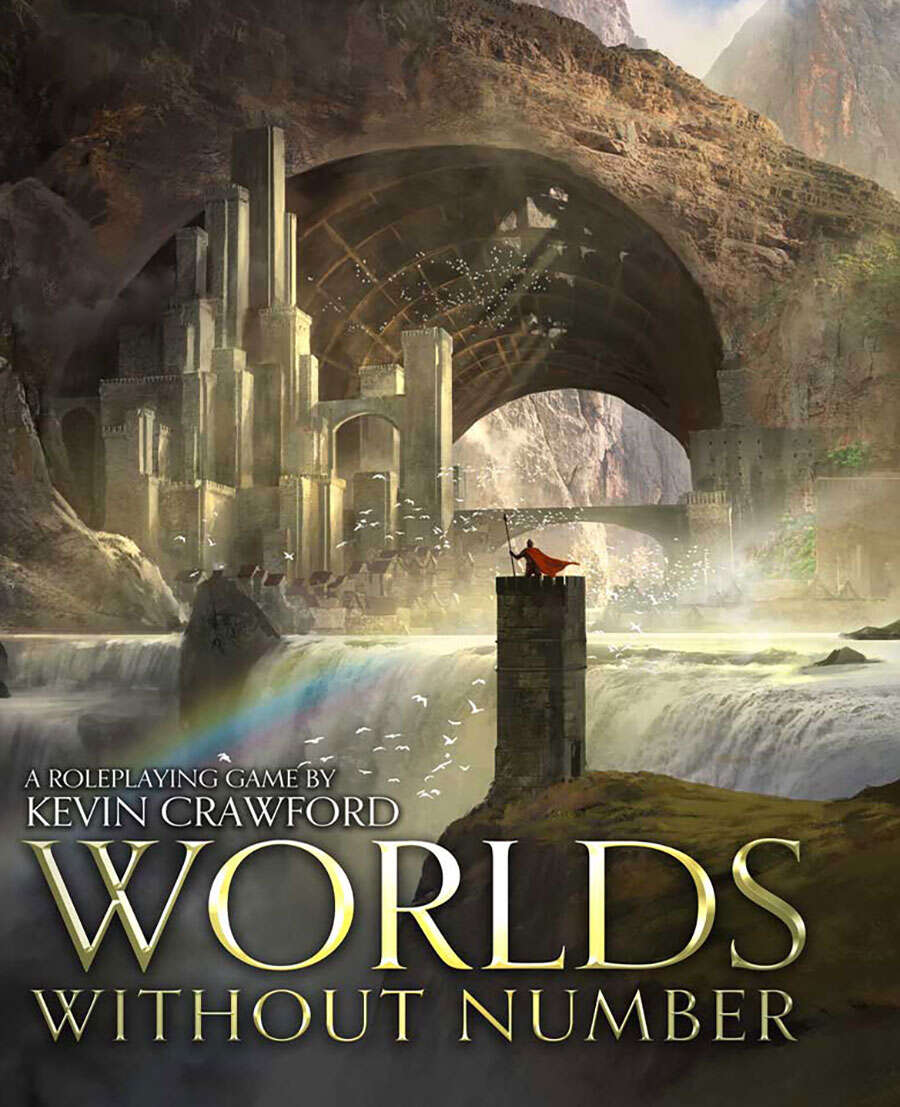
Old School Bones, Modern Muscle
The game is written with a “Dying Earth” / Jack Vance-style default setting (The Latter Earth), which gives it a distinct flavor. However, the tools and system are generic enough that you can use the game for almost any fantasy campaign.
Beyond the tools for sandbox gaming, the book includes an exquisite, simple d20 system.
I’d describe the system as classic Basic/Expert (B/X) D&D with modern sensibilities. While the core math is familiar and straightforward, it offers players many customization options, specifically through a system of “Foci” (essentially Feats). This really makes characters stand out from each other mechanically, satisfying that itch for “builds” without the overwhelming crunch of 3rd Edition or Pathfinder.
The book also includes robust processes for dungeon exploration, faction play, heroic or high-level play, and domain rulership. These are modular—you can use them to enhance your campaign or ignore them entirely.
The most distinct mechanical shift is spellcasting. In Worlds Without Number, spells are potent, but you get far fewer of them per day. To me, that’s the most significant change in “feel” from standard D&D. (Though, if you prefer traditional OSR-style spellcasting, the author includes notes on how to adapt that, too.
The “Without Number” DNA
One of the strongest selling points for me is cross-compatibility. The Without Number series all share similar systems, and the rules are easily interchangeable.
The books include notes on converting between the different bits in different systems. So, technically, your fantasy games could be mashed up with sci-fi, cyberpunk, or post-apocalyptic rules. Even some of Crawford’s older games, like the Lovecraftian Silent Legions, can be used with these modern iterations with little work.
The Critique
The game is not perfect, and I want to be honest about that.
First, it has far fewer illustrations than a modern audience is used to. I would certainly like more art, but that is a matter of personal taste. Second, the layout. While the rules are straightforward to understand, the books are written in a dense, “wall-of-text” style. Some rule reorganization and a more “breathing” layout would make the game truly perfect.
But these are nitpicking. The book is truly an excellent TTRPG resource, written by a single person, which is a staggering achievement.
Try It for Free
You don’t have to take my word for it. The barrier to entry is non-existent.
The game is available for free in PDF format. And I don’t mean a “Quickstart” with levels 1-3. The free version is a massive, complete game. There are “Deluxe” versions with extra rules (which I own in PDF and print, and believe are worth every penny), but the free version is likely all you will ever need.
I REALLY like these books and wholeheartedly recommend them.
Stay tuned for Part 2, where I’ll discuss the other system vying for the top spot on my shelf.
Get the Books:
Categories: Tabletop Gaming Blogs
40 Years a Gamer: The Classics I Missed (and the Ones I Didn’t)
Preamble: This post is closely tied to a post I wrote during RPG a Day this year, for day 21, Unexpected. It inspired me to dig deeper into adventures I’ve run as a GM. It may rehash some of the same topics, but this one goes deeper into my motivations and covers other topics. I hope you like it. On with the post!
If you gather a group of gamers from my generation in a room and shout “G1,” someone will inevitably whisper back, “Steading of the Hill Giant Chief.”
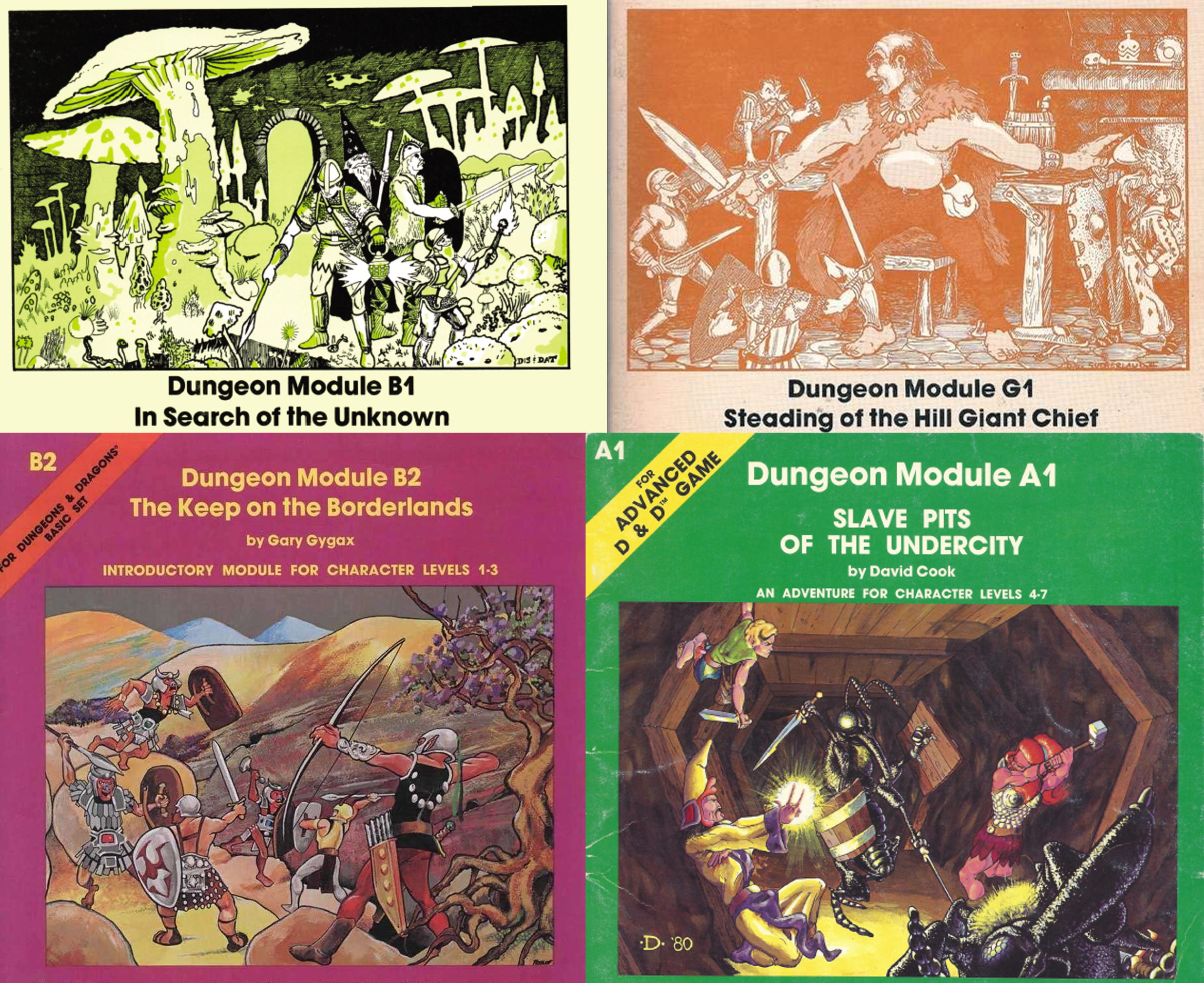
There is a core, shared language among players who grew up in the 80s and 90s. It’s built on the foundations of the classic D&D modules. The Keep on the Borderlands. In Search of the Unknown. The Slavelords series. The legendary GDQ series of adventures that took players from fighting giants, down into the depths of the earth, all the way to the Demonweb Pits to face Lolth, the Queen of Spiders herself.
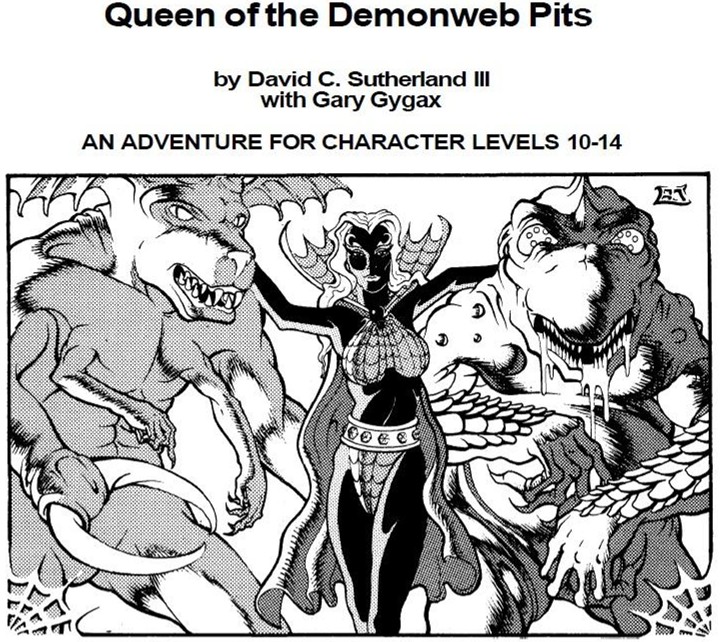
These names are gaming landmarks. They represent a shared cultural experience that binds the Old School community together.
And I have a confession to make; I missed almost all of them.
I didn’t run through the Caves of Chaos. I never faced the Slavelords. I didn’t even play the “modern classics” like The Sunless Citadel.

You can see the map above on Dyson Logos’ blog here.
As a player, the only true “classic” I can claim is The Haunting, that terrifying walk through the Corbitt House from the original Call of Cthulhu boxed set, which, by the way, Chaosium recently revisited for their latest edition of CoC.
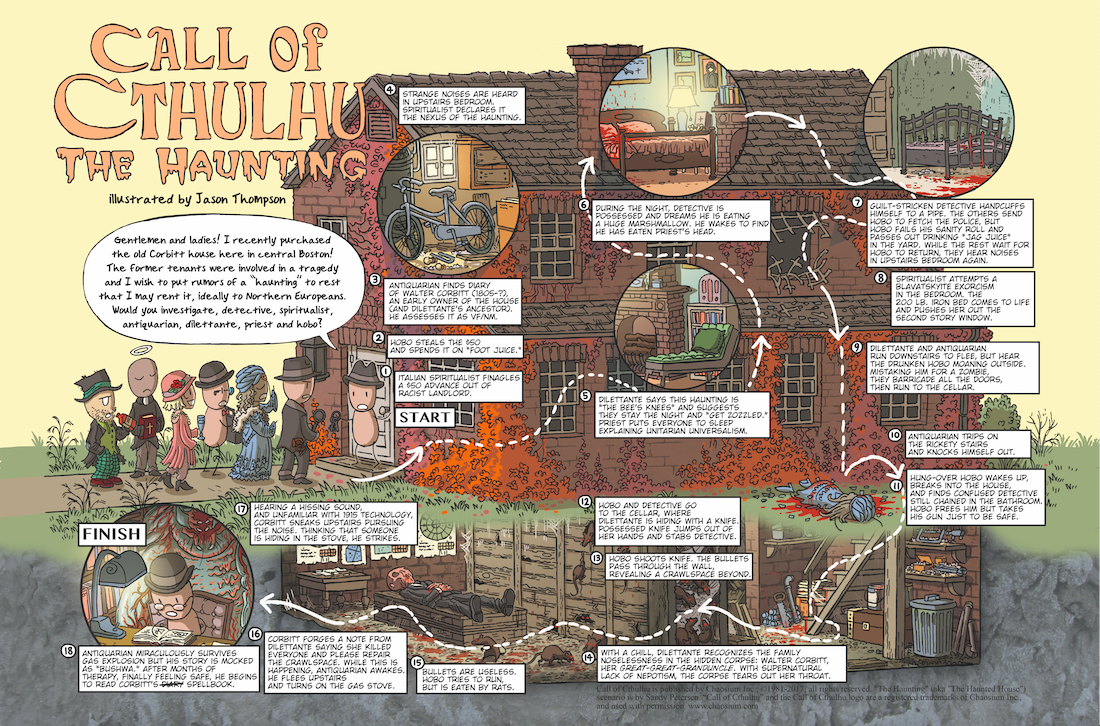
This art is by Mockman, and you can get an art print here.
But on the D&D side? I did not play those classic modules.
For decades, I’ve told anyone who would listen: “I don’t do modules.” I found them constraining. I didn’t want to read a script; I wanted to build worlds. I prided myself on my homebrew settings and the scenarios I cooked up from scratch. To this day, if you ask me, I’ll probably tell you I don’t like running pre-made adventures.
But as I’ve been digging through my history for this “40 Years a Gamer” series, I realized something funny. My memory was lying to me. I have run adventures—quite a few of them.
When I sat down to list them, I realized that while I avoided the “classic,” I was running scenarios. Here is the actual track record:
Adventures Run
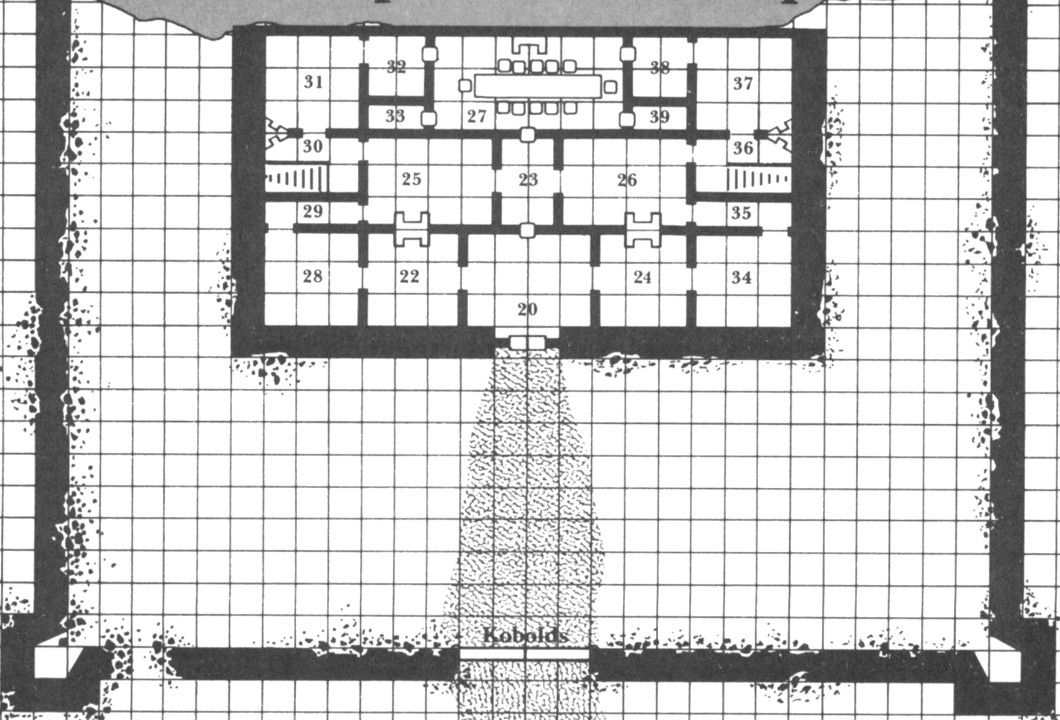
- D&D Mentzer Basic Set Adventure (Castle Mistamere) – 1986 & 2016
I ran this for my very first game, and quickly began to improvise and add details, never really populating the second level, instead going straight to another module, the next on this list.
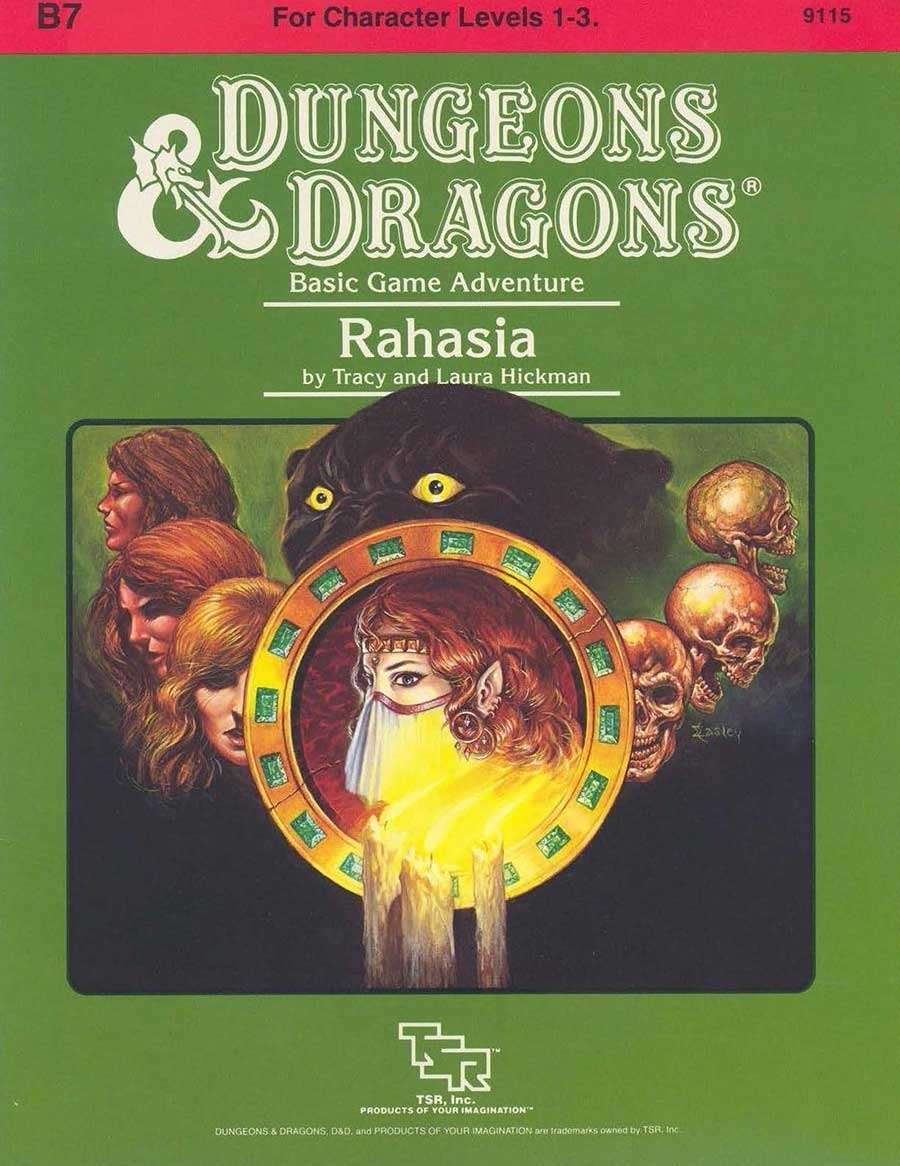
- Rahasia (We played about halfway through) – 1986
I really like the module’s concept and story. It gave us the classic moment when one of the players wanted to pee in the water where a Water Weird lurked, and it just grabbed him by the unarmored lower portion of his body and dragged him into the water. But the player lost interest in the exploration, and I soon transported them into my first homebrewed adventure.
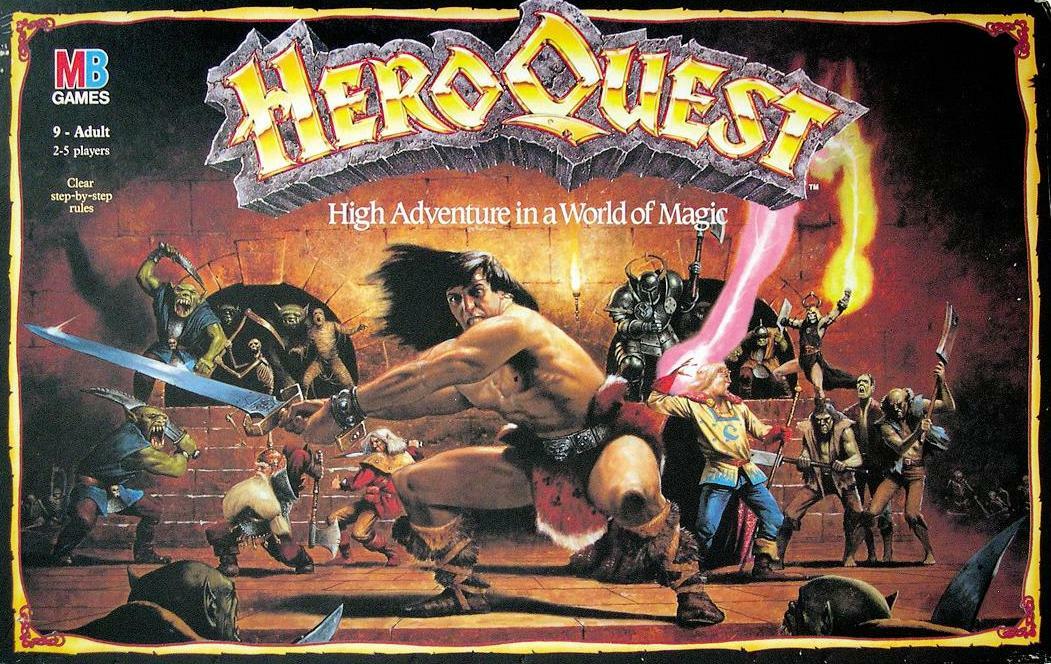
- The 14 Quests of HeroQuest – 1991to1992
These I used as teaching tools; the board game as an introduction to tabletop role-playing games (TTRPGs), but it was their simplicity and ease of use that I enjoyed.

- Dragon Mountain (The first book only) – 1993
Another module with an ambitious storyline, which also gave us a classic moment in our games, when the arrogant elven fighter wizard threatened the enemies inside a house, and the antagonist spellcaster cast the Feeblemind spell on him! (If you click on the link, apologies for the text of the spell.)
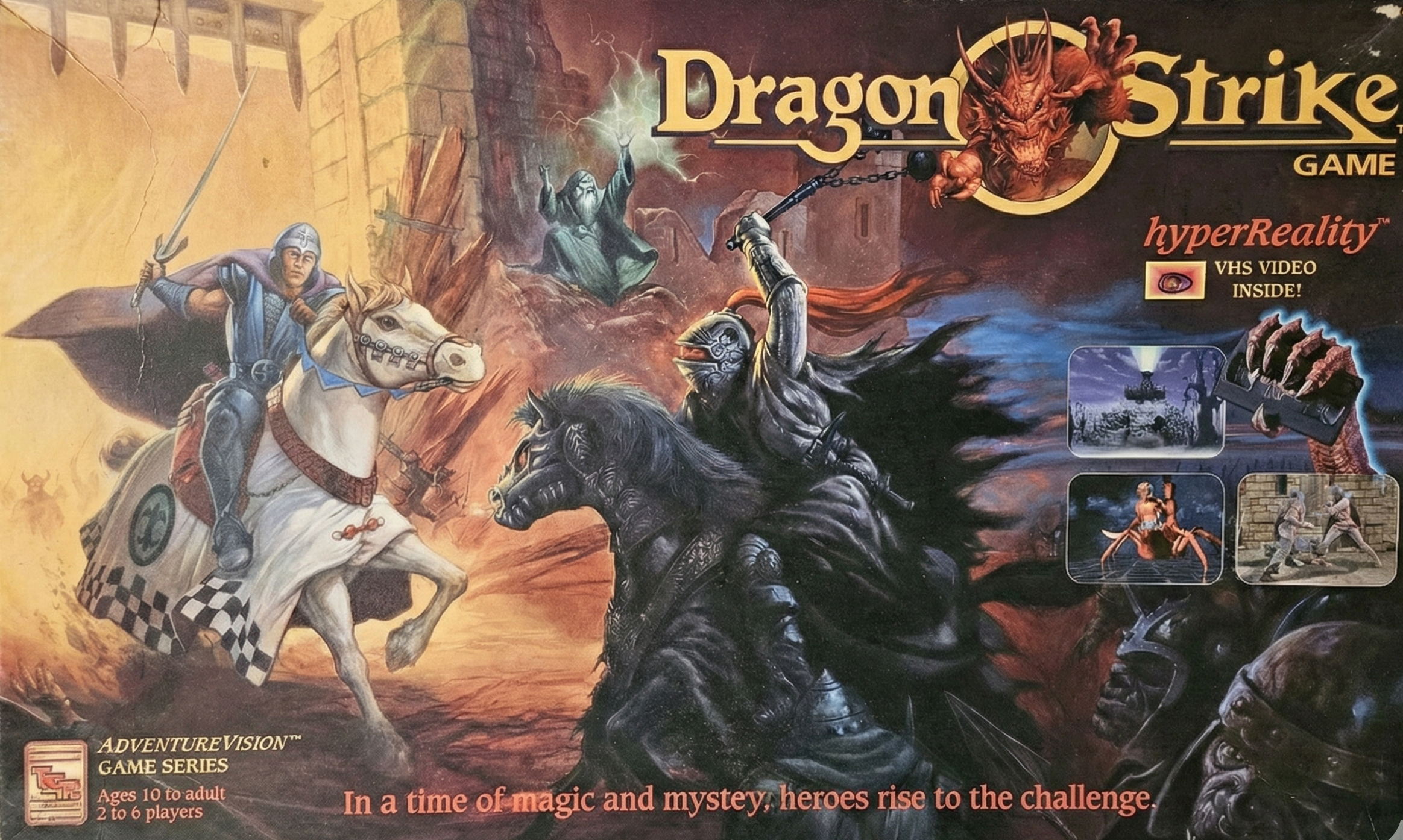
- DragonStrike (Ran about half the adventures included) – 1993
These, like HeroQuest above, were used as teaching tools. However, these were not as much fun as the previous game. I think the best thing about the game was the “instructional video”. In this post-LOTR era, with Critical Role animation as popular as it is, it is incredible to think how thrilled I was for this video. I showed it to people who wanted to know what D&D was about. You can see it for yourself in the video above,.
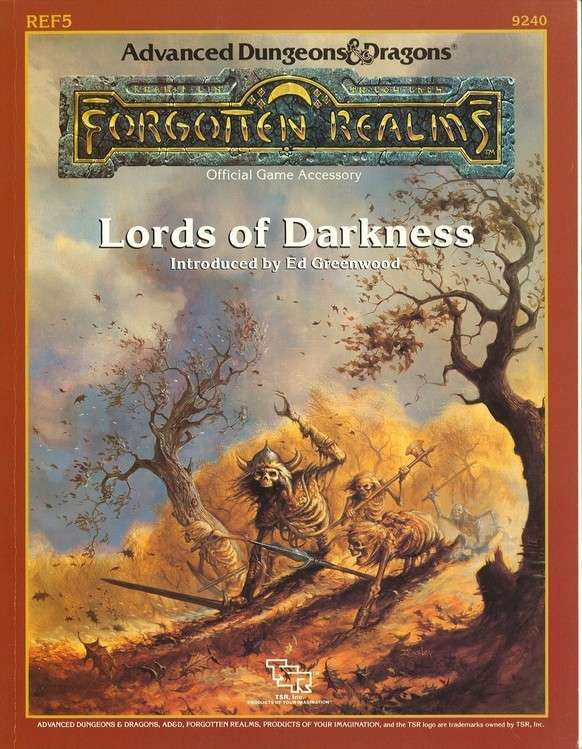
- Lords of Darkness: The Dread Lair of Alokkair (The Lich adventure) – Circa 1998
By this time, I had decided not to run pre-written adventures. One of my players back then disliked this. I think he thought adventures were balanced and proper, but found some of mine too wild. I think the adeventure beforeI rand this moduel they had been shrunk by a magical pool and found themselved invoved in a war between homanoid insects in a magical faerie realm. Regardless, he asked me to run one, and I chose one I could adapt to the campaign. I didn’t have fun playing this. My lack of interest wasn’t a commentary on the adventure itself (I remember little of it), but on my mindset at the time.

- Lady Blackbird – 2010 & 2013
This changed my mind! By this time, Puerto Rico Role Players had formed, and I wanted one-shot adventures I could run at events, such as the Geeknics (a picnic for geeks). This was a delight to run. It started to change my mind about running adventures.

- Alien Survivor (a Lady Blackbird hack) – 2010
I couldn’t find a copy of the game online, and then found out the author has an unfulfilled Kickstarter I did not know about. I found someone hosting a copy of the game if you want to check it out. On to my memories of the game. I tried this hack with my regular weekly group, after playing Lady Blackbird, but it fell flat. I think they just didn’t want their regular campaign interrupted for a one-shot. I then thought: Well, pre-written adventures are for conventions, Geeknics for other events, but not for the weekly group.
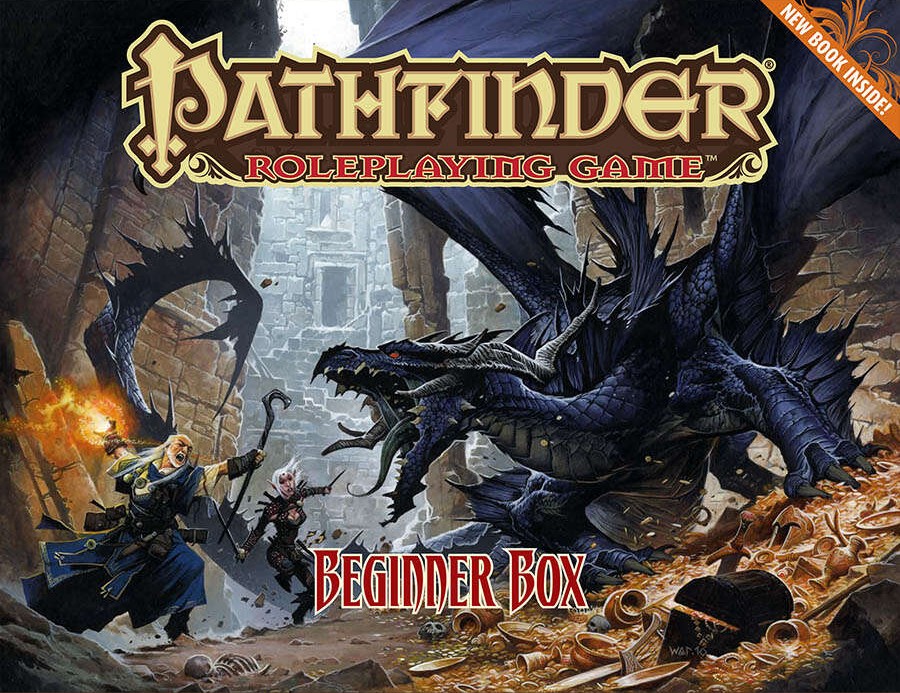
- Pathfinder 1e Beginner Box Adventure – 2012, 2013, 2014, 2015, & 2016 (I ran this using D&D 5e rules for the last two sessions!)
If you see how many times I’ve run this adventure, you’ll see it is the one I’ve run the most. The Pathfinder 1e Beginner Box was a great tool to teach the game; the adventure was so good that I started using it to run D&D 5e. It ran in one session, ideal for teaching people about TTRPGs.
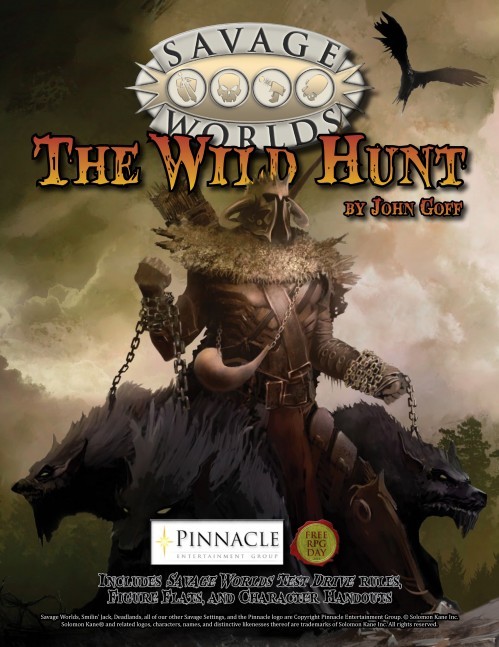
- The Wild Hunt (Savage Worlds Test Drive Rules) – 2014 & 2025
I’m a big fan of Savage Worlds; it is the system we use for our current weekly campaign, so teaching it to others was a big thing for me. I ran it for new players in 2014 and for more experienced players who had not played the system last year.

- Wreck of the Magellan (Alternity Playtest) – 2017
I was a huge Alternity fan, so when Sasquatch Games came out with a playtest for the new system, I was all in. I ran it over two or three sessions; we streamed the game (in a very rudimentary way), and it led to the Desde La Fosa project. The adventure was ok, the new Alternity system was a disappointment, and ultimately, I think Sasquatch Games handled Kickstarter fulfillment and the line poorly.
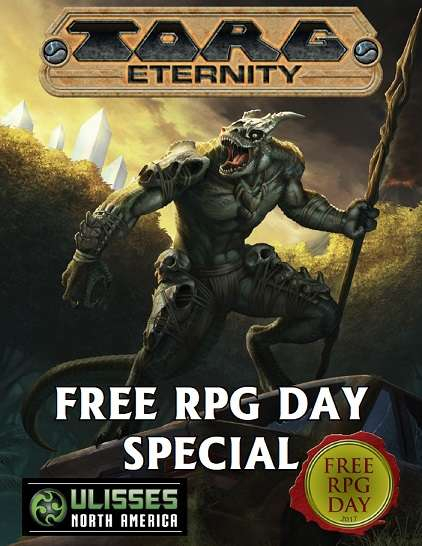
- Invasion (TORG Eternity Free RPG Day Special) – 2017
We were still doing Desde la Fosa, and this was a Free RPG Day adventure for TORG Eternity. I loved running this. I am a massive fan of TORG, and you can see the videos here. Mind you, they are in Spanish.
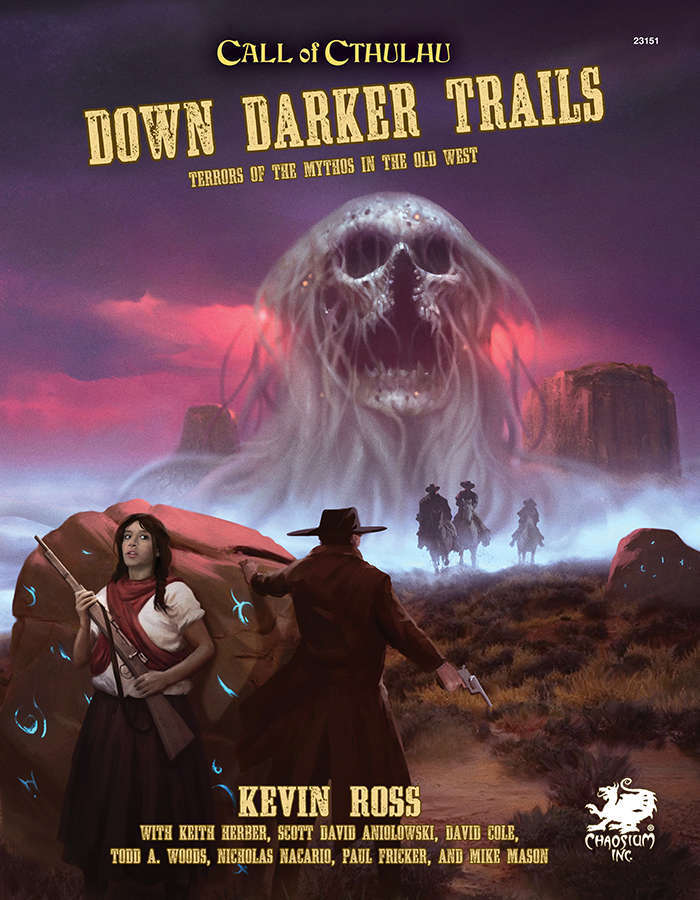
- Down Darker Trails (Call of Cthulhu Western adventure) – 2019
When my son was born, I took a short three-month break, and when we went back to playing, I wanted to run a campaign that took as little prep as possible so I could concentrate on taking care of my child. I decided to run Chaosium’s Down Darker Trails adventures. I was so pleasantly surprised by them. Easy to run, with lots of ideas and details, but open enough for me to run in my style. This was a turning point.
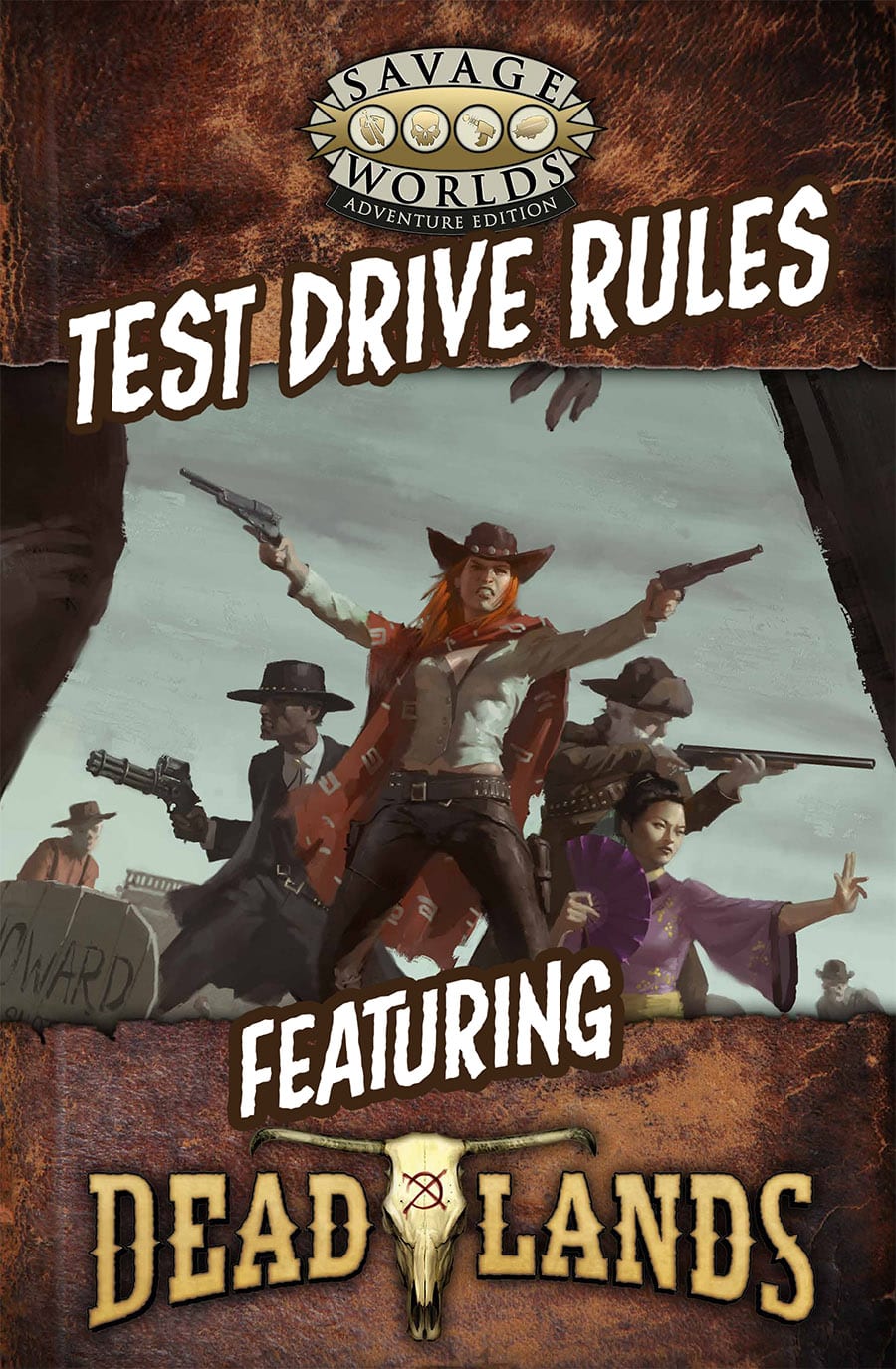
- Blood on the Range (Savage Worlds Test Drive / Deadlands) – 2024
I ran this Savage Worlds Test Drive for Free RPG Day 2025 at Titan Games Caguas to teach people about the system. It’s a great introduction to the rules and to the Deadlands setting. I took considerable liberties with the plot to make the story mine.
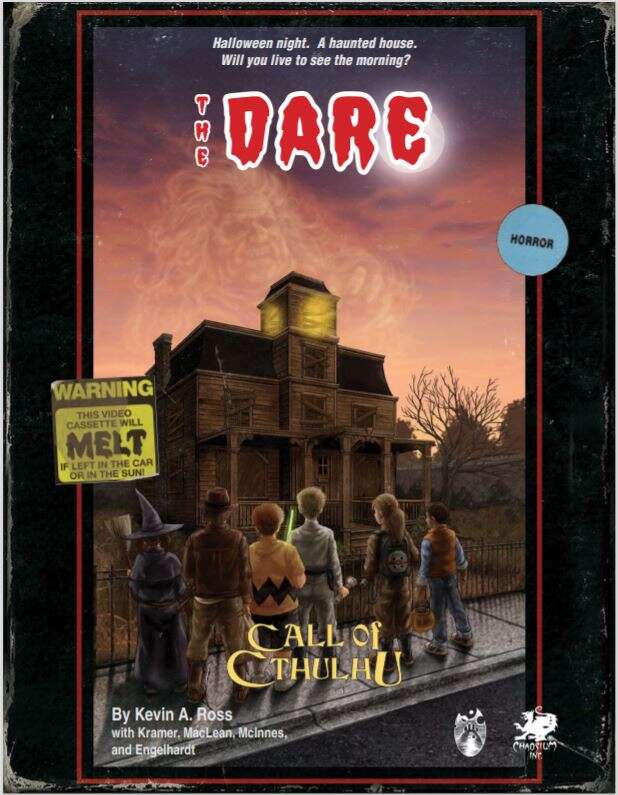
- The Dare (Call of Cthulhu) – 2025
This was our Halloween game last year. Initially written for Call of Cthulhu, I ended up using Eldritch Hack instead. The plot is very detailed, but I was able to read it, run it through the details, and really make it my own at the table again.
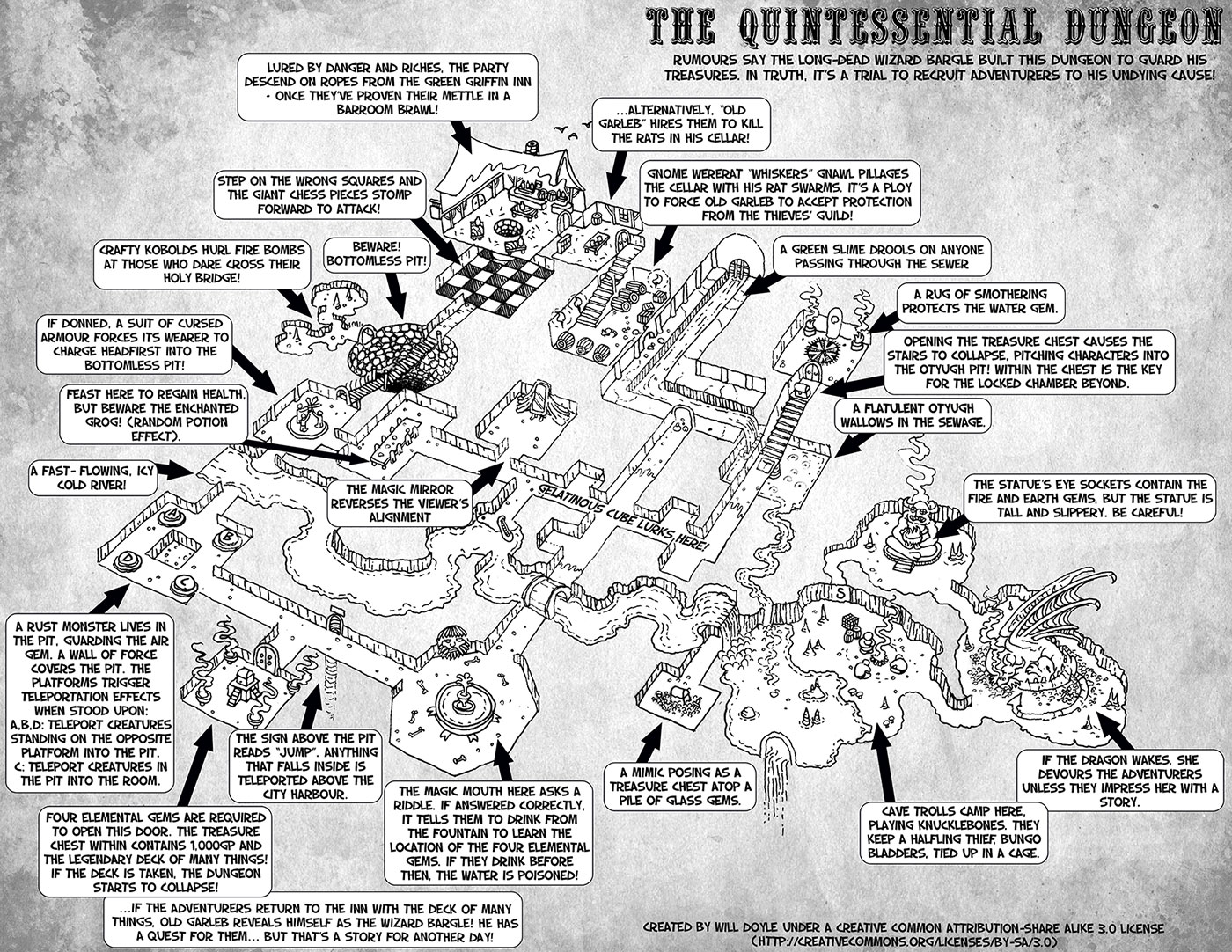
- The Quintessential Dungeon – 2025
I ran this over the holidays and wrote about it in this post. A one-page adventure with a map and details so you can improvise on and run it. This is ideally the perfect type of adventure for me.
The Pattern in the Noise
Looking at this list, the pattern becomes obvious. I don’t hate adventures; I hate homework.
Most of the games on this list fall into two categories: Teaching tools and One-Shots. I love a module designed to introduce a system, like the Pathfinder Beginner Box or the Savage Worlds Test Drives. They are efficient, focused, and do precisely what they promise.
The others are what we could call outline or framework adventures. Look at Lady Blackbird or The Quintessential Dungeon. These aren’t rigid scripts; they are situations with an outline of a plot that demands the GM be creative to fill in the gaps.
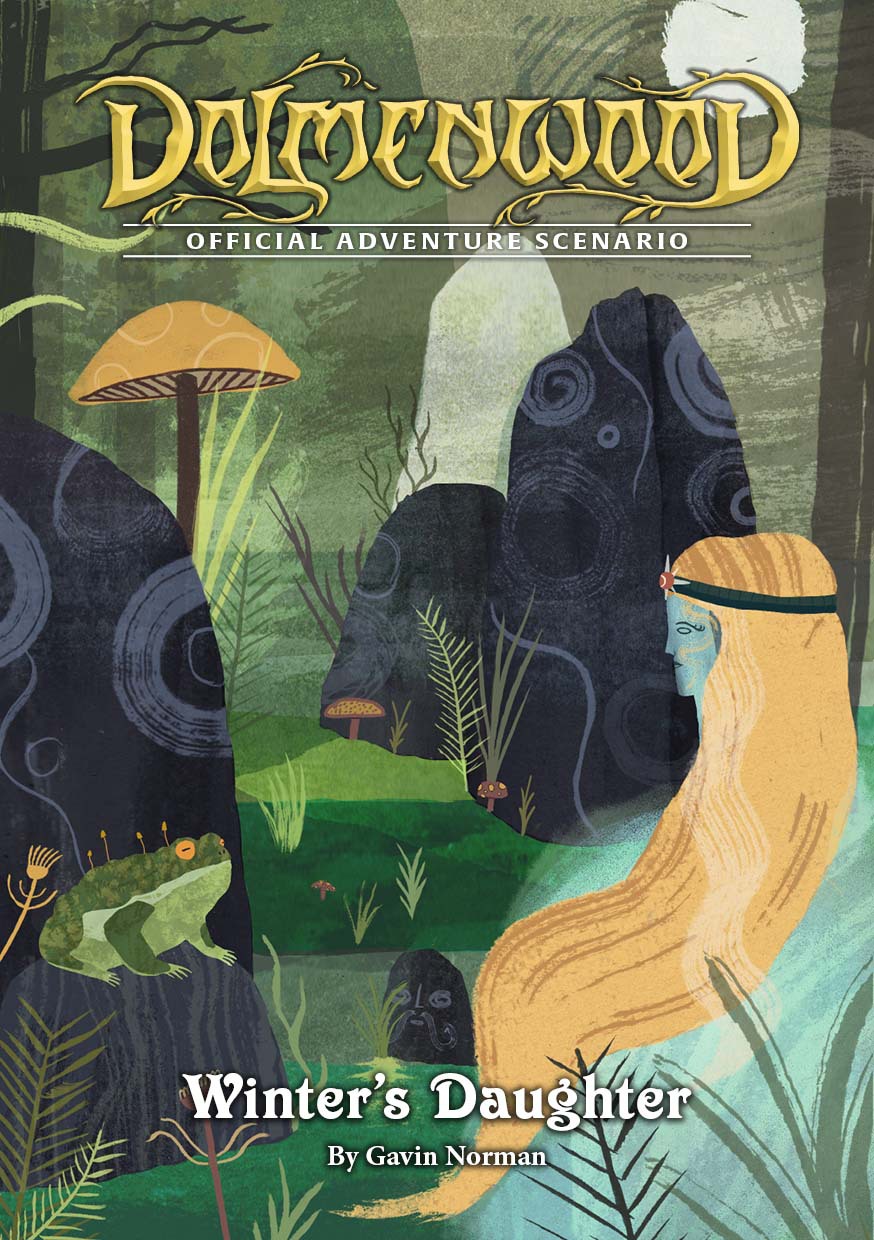
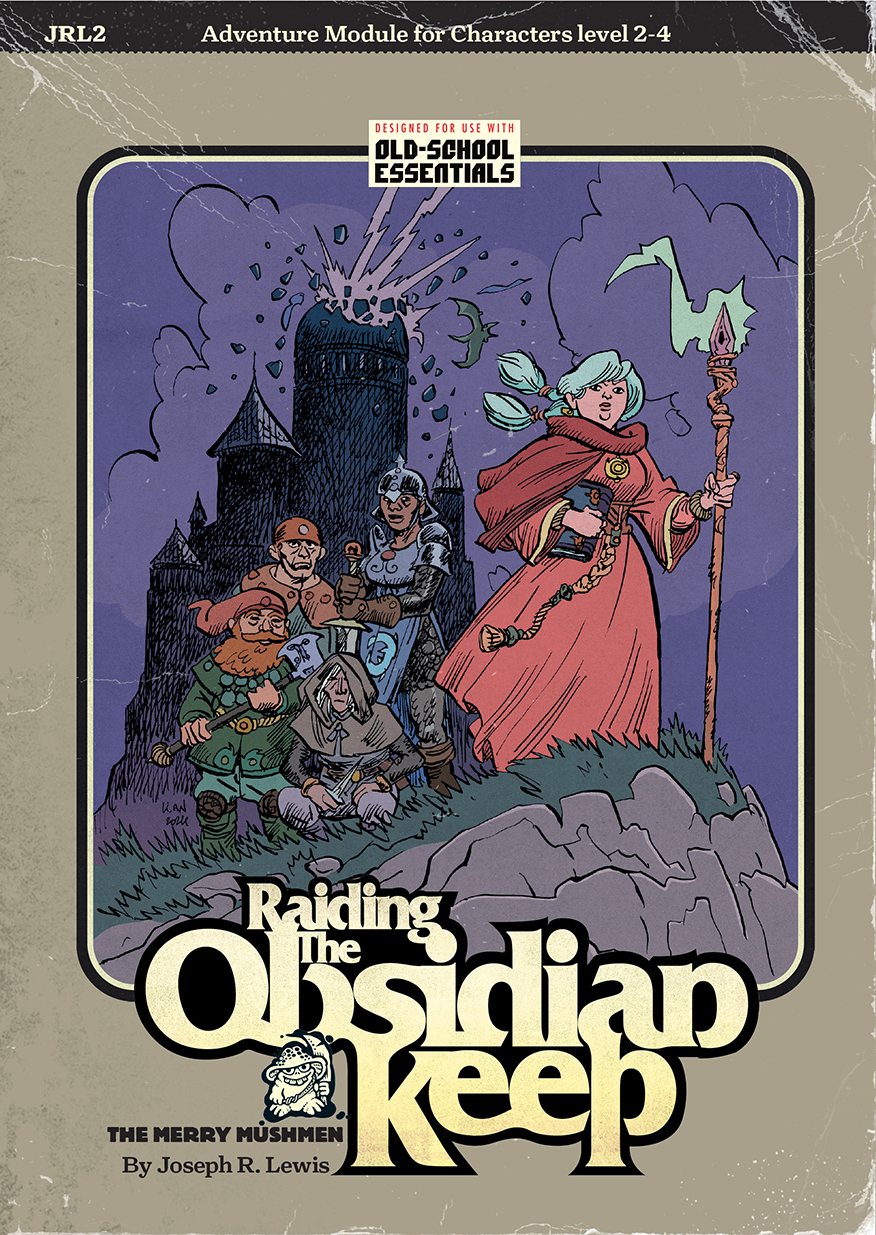
This is where my tastes have evolved. In recent years, I’ve become very interested in usability. I love the modern design philosophy we see in Old School Essentials, Dolmenwood, or the Merry Mushmen adventures. I’m currently reading adventures by Joseph R. Lewis (I’m dying to run Raiding the Obsidian Keep), and I find myself nodding along to the advice from Ben Milton at Questing Beast regarding adventure layout.
I prefer a one-page dungeon like The Quintessential Dungeon over a 300-page campaign book any day. Give me a map, some evocative bullets, and let me drive.
Growing into the Role
I think a lot of my early aversion to modules came from insecurity.
When I was a young GM, I felt like the module was a test I had to pass. I thought I had to run it exactly as the author intended. If the book said the door was locked, it had to be closed. I felt constrained by “canon” and the fear of “doing it wrong.”
40 years later, that fear is gone. I’ve grown confident enough to know that the book is just a tool in my toolbox. It’s not my boss. I can take a module, rip out the parts I like, ignore the parts I don’t, and reshape it to fit my table. It’s always been supposed to be like this; it took me a while to internalize it.
So, I must revise my stance. I do run adventures. I have a “type.” I like frameworks, clean design, and room to improvise.
But I’m curious, what about you? Are you a devotee of the classics, or do you prefer to roll your own worlds? And did anyone else miss the Caves of Chaos back in the day, or was it just me?
Categories: Tabletop Gaming Blogs
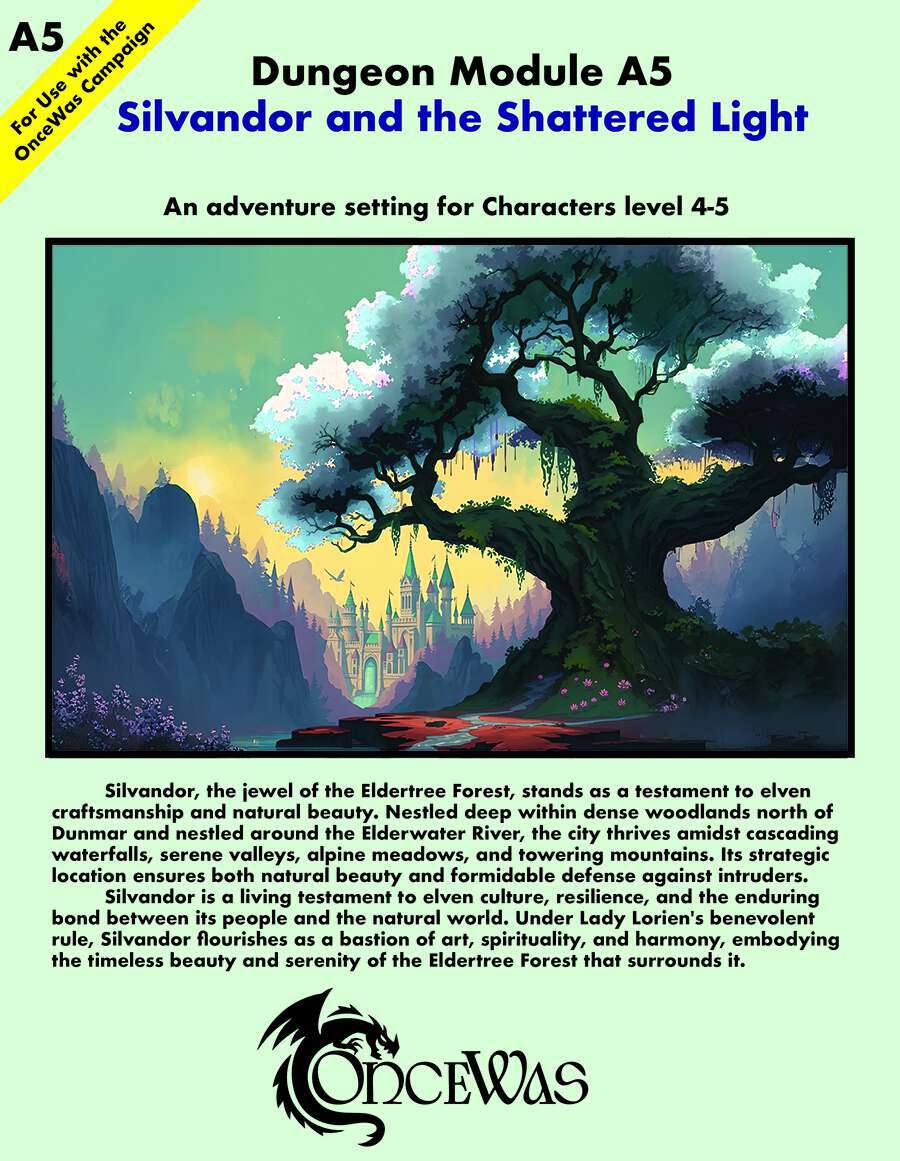
Silvandor and the Shattered Light
By Jack Frank
OnceWas RPG
OSR
Levels 4-5
OnceWas RPG
OSR
Levels 4-5
The elven city of Silvandor has stood for ages, guided by Yavanna’s light. But with the shattering of the sacred artifact that once banished the demon Malthar, a dark change spreads through the Eldertree Forest. A growing cult of lycanthropic elves—the Sereg Ithil, or Moonblooded—claim their curse is not corruption but ascension. Though the Light of Yavanna has been recovered, it is cracked and weak. Before it can be restored, the Moonblooded must be stopped. They gather in the ruined city of Ithol Lael, preparing to unleash a wave of lycanthropy across the land in Malthar’s name. Lady Lorien cannot move against her own people without proof or risking civil war, so she calls upon you—outsiders—to infiltrate the cult, uncover the truth, and put an end to the Moonblooded threat.
This forty page adventure uses about 22 pages to launch a lot of monologue at the party in a series of brief railroaded encounters. It’s a plot! It’s a story! It’s boring.
I’m unfamiliar with the system, OnceWas. From the adventure, it looks like it’s a basic kind of D&D with some skill checks added in, and an adventure that seems a lot like a late 2e/3e railroad/plot/story thing. Some kind of bullshit DM story is not my bag baby, but I’m going to try and keep those opinions, about how shitty and misguided that entire nonsense genre is, to myself.
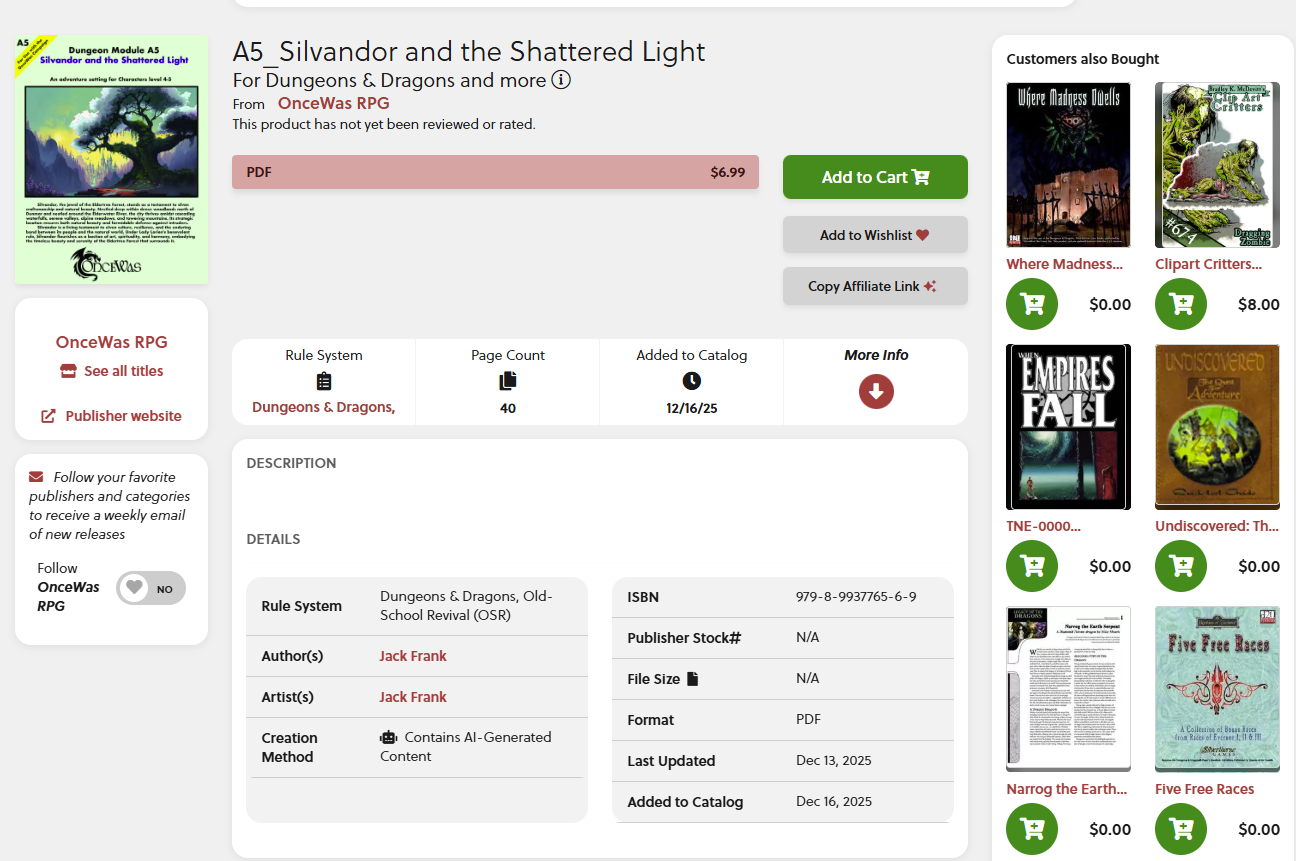
We see the start of the problems with the DriveThru page. There is no description. None. It’s entirely blank. I’ve spoken at length on the Scum of Humanity just pumping shit out to to make money, be it through AI or hand-crafted. This is an age old problem, with scale perhaps changing but not that it exists. But, on the other side, if you’re NOT just grinding out $100 a month by ruining joy, then presumably you’re doing it because you love it. In which case you should be taking your time and really polishing your work. Really trying to put the best product out you can. After all, it reflects not just you, as a person, but presumably the joy you have in the game. I am mystified by folks that don’t do this. I can, certainly, empathize with loathing your creation so much that you want to either burn it or get rid of the chore of working on it by publishing it. But, otherwise, you’re either a grifter or should be taking joy in your work? So, why be sloppy like this?

Speaking of sloppy, here’s a couple of pages of read-aloud from the three room cave with elven werewolf cultists in it that serves as the climax of the adventure. You see where that read-aloud ends, right above “Northern Pool”? I’m certain that that is where the big climactic boss fight is supposed to be. But it’s missing. There’s nothing there. No one cared, not even the designer. Just fucking look it over once you’re “done.” Or, better yet, get one other person to proof-read it. It doesn’t have to be complex. A simple scan of the document should be enough to reveal shit is OBVIOUSLY not right.
Your town is infested with wererats. You’ve got a broken Phial of Galadriel. You go to an elf town. Queen elf tells you they can repair it in three days. While you are guarding it a read-aloud has a werewolf elf steal it. You go to their cave, above, and don’t get the fight details. End. There’s maybe one encounter in the woods with a werewolf elf. You’re not making any choices in this.
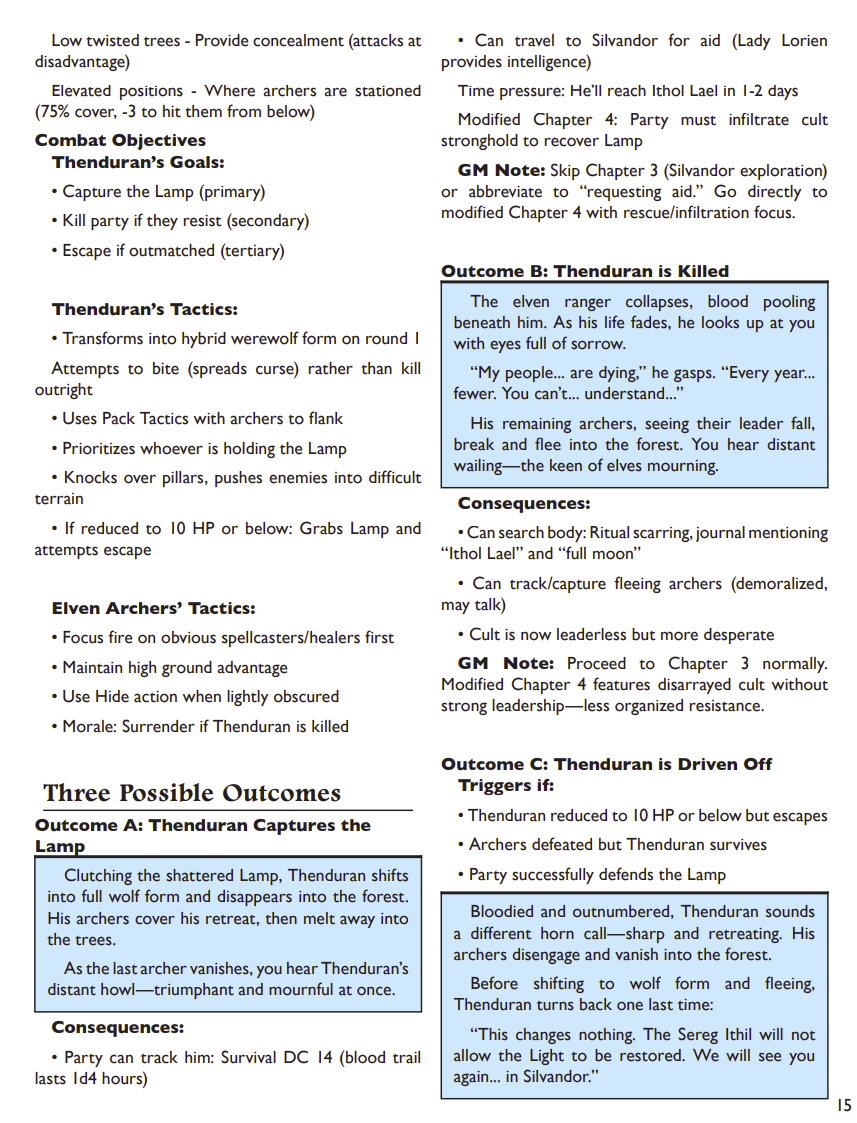
Everything is very high prescribed. Read-aloud for everything. The DM notes say the tone is Moral complexity, tragic antagonists, beautiful but fading world, but none of that is really present and/or the DM isn’t really assisted in brining that tone in to play. Which is what proper design should do.
This is $7 at DriveThru. There is no preview. Bleech!
https://www.drivethrurpg.com/en/product/549236/a5-silvandor-and-the-shattered-light?1892600
Categories: Tabletop Gaming Blogs
The Cat Completes the Mission
Our Land of Azurth 5e game continued last night as the party confronted the Wizard of Azurth and Morzengersturm over the fate of Roderick Drue, a young occultist, at the Columbia Exposition in 1893 Chicago.
The Wizard recognizes the party calls forth shadows in the form of Expo attendees to attack them. And there are a lot of them! Luckily these are minions (as per the minion rules in Flee, Mortals!), so the party is able to mow them done, but it takes a while and gives them a moment of fright as there are a lot of them. Erekose, Waylon, and the activated Figurine of Wondrous Power Bear takes down five at the entrance of the tent. Shade goes after those coming through the side of the tent with her bow. Zabra witchbolts a couple of them.

Zabra's familiar, a cat, is dutifully carrying the transport gem to the target, Roderick Drue. When it breaks the gem with a bite, a cloud of colorful smoke engulfs both cat and occultist and transports them to the Land of Azurth.
Waylon gets frightened by the shadows, so moves inside for an attack on Mortzengersturm. The party has a history with the Mad Manticore as they killed him in--well, their past, his future. Zabra delivers a psychic bolt that incapacitates the Manticore wizard before he can act.
His ally and his minions gone, the Wizard teleports away.
The party uses their other jewels to return to Azurth themselves. After some healing they are ready to plan their next mission: black to the Shadow Tower.
Categories: Comic Book Blogs, Tabletop Gaming Blogs
WizKids and Paizo
ADULT MIRAGE DRAGON
Directly inspired by the cover of the Pathfinder: GM Core book, the vain and egotistical Mirage Dragons use camouflaging scales, hallucinatory breath, and their mastery of illusion magic to mislead and confound their attackers. Featuring color-shift purple/green paint, this unique figure is made to impress! Want to try your own hand at color-shifting deception? Paint your own with the Deep Cuts model! ? PRE-ORDER NOW ? ? SO MANY TO CHOOSE FROM…
Pathfinder has hordes of dragons in the roost waiting to join your adventure! From the Diabolic Dragon to the Treerazer, and many many more, which one will you choose? ? VIEW PATHFINDER DRAGONS
Directly inspired by the cover of the Pathfinder: GM Core book, the vain and egotistical Mirage Dragons use camouflaging scales, hallucinatory breath, and their mastery of illusion magic to mislead and confound their attackers. Featuring color-shift purple/green paint, this unique figure is made to impress! Want to try your own hand at color-shifting deception? Paint your own with the Deep Cuts model! ? PRE-ORDER NOW ? ? SO MANY TO CHOOSE FROM…
Pathfinder has hordes of dragons in the roost waiting to join your adventure! From the Diabolic Dragon to the Treerazer, and many many more, which one will you choose? ? VIEW PATHFINDER DRAGONS
Categories: Tabletop Gaming Blogs
The Rugged Ridgeland
By Jonah Lemkins
Self Published
OSR
Levels "Low"

Self Published
OSR
Levels "Low"
Long have these borderlands been sparsely populated by only the savviest and hardiest folk. But now, moves are being made, deals are being cut, and new & old evils are rearing their heads. Heroes are in short supply – and sorely needed. The fate of the Ridgeland is in your hands!
This 28 page ‘adventure overview’ presents seven hexes, each with a number of sites in them, and four ‘dungeon ideas’ in a small wilderness area brimming with shit going on. Bryce likes a lot going on and this certainly does that. It also cheaps out on “adventure” by just giving some guidelines instead of actual adventure. It is an intriguing concept, though, even if it’s not an adventure.
This thing is weird. I guess it’s actually a fluff piece of a regional supplement. But it’s done in a style more reminiscent of the Ready Ref Sheets with very little fluff and a lot of intrigues. It’s a section of land 18 miles across with a lot of intrigues, major and minor. And there’s a sentence or two for each little thing going on. And almost nothing else is present. There’s none of this “Gondorians wear purple scarves on Moonday” kind of shit. Padding is almost nonexistent. And there is a WHOLE lot of The miners are skimming off the top, the silversmith is cutting the silver with copper, the miners hate their rations and are eager to trade, a think b are pagan heretics, Kent leads the brigands, Kent hates the brigands and wants out, and about a bajillion things more.
I don’t know if I can adequate describe an overview. We’ve got a town, with a bridge in it being the only way to safely cross the nearby raging river that cuts the region in two. We’ve got some miners in the hills. Ghosts are popping up in their mines. There’s a village, full of pagans, who want to build a bridge. Financing in a somewhat complex land deal with some corrupt mine territory players., smelters, etc. Bandits in the woods robbing individuals and running protection racks, factions within them, wildmen in the hills abducting people, a cult (which, frankly, seems benign, though they are of note, in comparison to the other shits) Rumors everywhere. Open-ended. It’s fucking JAM PACKED with shit going on, people wanting things and trusting the party over time, and just about everything else under the sun. This place feels ALIVE in the way that only petty self-interested people can make a place feel like. Recall I like to harp on the fact that people having interactions with other people, John Loves Mary who hate William, is the key to a good social environment? Well this fucking does that. Everyone has interests all over the place. I note, also, that the terrain brings a little to the table. Seven hexes, six around a central hex. We’ve got the river, with the one bridge in the main town, that serves as barrier straight across the hexes. And then also there’s a ridgeline cutting across them, with only two good paths down through the cliffside. Natural passes/chokepoints, full of ointrigues!
And then there’s … the content? For you see, all of those ideas are essentially just that, ideas.
L’page typica
Each hex is going to have a few locations in it, typically. This is a screengrab from one of those. Note how you are creating your own monster. This is the ONLY hex it’s appropriate for … so the designer should have just tossed in a creature. But, then, also, “gold coins.” Well that’s exciting. Chunk of amber is a little better, with both amber and chunk being decent word choices, but there’s really no specificity to anything her. And everything is going to be like that. Just an idea.
This is a dungeon. Obs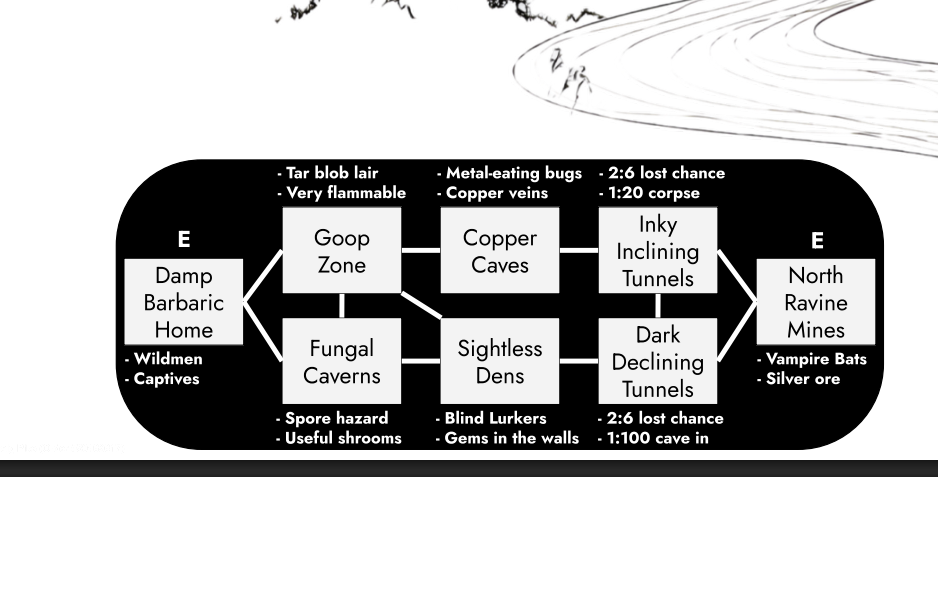
Those four dungeons it lauds in the marketing? That’s one of them. You like? It’s certainly something, but not what I cwould call a dungeon. The concept of a dungeon, maybe. And all of the content in this adventure is going to be like, the concept of an idea. “gold coins.” “Copper Caves.”
As an outline this is great. That kind of short-hand content dense (or, at least the potential for being content dense …) information that Ready Ref killed it with. Or, even, that the Wilderlands did well. Yu can get glimpses here.But, it just doesn’t do anything ever. It doesn’t go anywhere. It’s concepts and ideas. I’m not even sure it would quality as an outline. Maybe? Which is why I’m going to slap this down as closer to a fluff region guide than a sandbox or hexcrawl or adventure. It’s ALMOST those things, but its just lacking in so much. I suspect you could kind of run it on the fly and fill in as you go, riffing on things. But it seems like such a shallow experience.
I will note one of the better bandit encounters I’ve seen is in this, for all of my bitching about specificity. Dude in the bar might try and recruit the party. He’s got a good thing, a protection kind of thing. Noice!Dude hangs in the parties bar, they see him and interact with him. Befriend each other. Several sessions He drops a hint that he can make them some cash, and they find out that their bud is actually the local bandit informant in the bar. That would be great! SO, in at least one case, the writing inspired me. But, also, I’m looking for just a little bit more in the way of specificty than this brings.
This is $1 at DriveThru. The preview is eight pages and, as long as you understand that what you’re looking at is all you’re getting, then it does a good job of showing you what to expect. Just don’t expect more elaboration on anything you see.
Categories: Tabletop Gaming Blogs
Malediction news
?
?
? Greetings, Seeker, New Year, New Storms The calendar turns, but the Malediction does not rest, and now we step into 2026 with our first official tournament, new Seekers who and more announcements on the horizon… Let’s see where the fog takes us.
?
? Epic Adepticon at 2026 Adepticon has become one of our most traditional events, so it is where we are launching our first full slate of structured Malediction events:Adepticon is no stranger to Malediction. For years now, our demo tables there have been where many Seekers first touched the cards, rolled their first dice, and felt the beat of the game for real. In 2026, we are going back to that same hall, but this time the storm is bigger. Alongside our now traditional learn-to-play demos, Adepticon will host our first full slate of structured events of Malediction 1v1 and2v2 Tournaments, Beat the Designer with Nicole Lobo, plus a dedicated Paint and Take! It is the same place where you once discovered the game, now turned into a proving ground where you can test lists, team up with allies, and even sit across from the people who design the cards.Registrations for all these events and activations open this Sunday, January 11. Keep an eye on our site, on @playmalediction, and on Adepticon’s official channels so you know exactly when you can claim your seat at the table.
?
Griza: Beyond the Instagram Reveals You may have already seen them on Instagram, one card at a time. Here is a little more about what is really happening behind those frames. Griza fights like a wound that never closes. Their Legacy, Ihreniv, starts at 20 Echo and turns both your Spirits and your healing spells into weapons. Spirits that fall can still perform one last action before leaving the battlefield, and every spell that restores health can lash out and deal damage equal to its cost to an engaged enemy. Your Spirits die loudly, and your healing becomes a punishment. On the unit card, Griza, Lingering Wound pushes that theme further. Spirit Master lets nearby Spirit allies swing using Griza’s attack and abilities, and Soul Sacrifice lets you pay for spells with Griza’s own health instead of Echo during their activation. You bleed your Seeker now so your Echo can carry you later, chaining spells and Essence Bursts until the opponent runs out of answers. Griza is for Seekers who enjoy attrition, engines that hurt them as much as the opponent, and games where the last turn feels like an avalanche built on every sacrifice you made before.Revisit Griza’s reveals on Instagram: ?
? ?
?
Something Stirs in the future, can you see it? There is one more thing we wanted to start the year with.In this Echo, you will find a single image. No title. No card frame. No explanation. Just a glimpse of something that does not quite belong to the world as you know it. What does it look like? What is this relic buried under ash? Do you recognize it as a place on Agnar? All I can say is that it is something we’ve never done before. A new announcement for our next edition! Look closely. Then tell us.Reply to this email with your guesses, drop them in our Discord, or share your theories on social tagging us @PlayMalediction. When the announcement lands, we will see who was closest to the mark. Study the image. Make your guess. Wait for the Echo on January 23rd.
? ? ?
?
See you on the battlefield!
— Dan, from The Malediction
— Dan, from The Malediction
Categories: Tabletop Gaming Blogs
Here's Something You Won't Read Often: Thank You Ken Whitman
Hello Tavern Patrons, long time no read. Christopher Stogdill (Frugal GM) here with a bit of a quick thanks and shout out to one of our communities biggest KickScammers I know of: Ken Whitman, or should I honor his attempted re-brand of Whit Whitman?
I think I've been quite clear that 1) NAD is for educational purposes, 2) We're no longer neutral, 3) NAD is a "jumping off" point to enable the reader to make their own informed decision about Mr. Whitman's history and business character, and 4) Don't believe us, follow the links you can and make your own decision.
Thing is, getting information is part of the problem....
You can still find some information regarding Ken's Rapid POD days, and if you talk to some of the old TSR folks you might get some details of Ken's actions. It is difficult to do and really, not many people are going to spend a lot of time doing a "deep dive" for information that you could use as a primary source. Ken has spent a LOT of effort to cover up his tracks. Delete, delete, attack, diminish, seek pity (remember the CTE excuses).....but the biggest single enabling factor for Ken, now Whit, to be able to begin his scams (my personal, legally protected opinion) anew: Time.
People have moved out of the hobby and new people have moved in. There are more gamers now than there have been in the past, and Kickstarter is still a thing.
Not Another Dime! (for Ken Whitman) exists to document as much as possible what Ken "Whit" Whitman has tried to get away with. Is it an attempt to "hound him" so he cannot make a living, of course not, but so he cannot scam people again, most definitely. The "people" I/we initially cared about was specifically the gaming community.
There is a LOT of history with this man and so far it looks like instead of working on his shortcomings and making good on past promises to the gaming community he's just rebranded himself with a new name and found himself a new community. Now it looks like maybe he's trying yet another community, but time will tell.
I'll admit that after 10 years of all this I'm not even upset at Kenny any more, well not really. Not Another Dime! (for Ken Whitman) is more of a pain these days, but it's a necessary pain, so I post when I get a tip (part of the whole "we" on NAD) and I make it a point to periodically poke about to see what's new.
Why out myself now?
Last night I poked around a bit and the deets I really wanted were on LinkedIn. I didn't want to create a fake account or ask someone else to log in on my behalf, so I'm pretty sure that's how Kenny figured it out. This afternoon I got an email from NAD's blog contact form:
I have to assume this came from Ken. I cannot prove it easily and I don't care enough to even try. Many times in the past Ken has threatened people with lawsuits and calls to the "FBI". Kind of comical actually, but I also have to assume that this message was intended to be a chilling effect on NAD.
THIS is why I'm saying "Thank You" to Mr. Whitman. By trying to intimidate me by letting me know that you know who I am you're actually freeing me. I don't have to try and discreetly hunt for crumbs of information to investigate. I don't have to take extra steps to insulate myself from my work. I just don't have to care about a whole extra level of bullshit anymore. Anyone who wants to share can now do so more readily....
It isn't hard to find me, never was, but since you've started this route of discovery, feel free to send the FBI my way......at least I know that everything I've ever posted is within my 1st Amendment rights and not libel or slander......since the truth is the best defense against either and I've been keeping receipts.
For more than a decade now I've been documenting every bit of Kenny's fuckery over at Not Another Dime! (for Ken Whitman). Now my name was overtly attached to that blog, but the only people, until today, that didn't know I was over there either didn't care, hadn't read my 2015 guests posts here at the Tavern, or were Ken "Whit" Whitman.
Seriously, it wasn't too effing hard to figure out:

- I literally mentioned a "not another dime" campaign in an early post, just before forming the blog.
- I reserved his D20 Entertainment LLC domain from the state of Kentucky AFTER looking for his company from all 50 Secretary of State offices.
- I followed up with the hotel, in person, where Ken had allegedly reserved a room for his Kickstarter movies premieres at GenCon. Why? Because my wife had given him an extra $300 specifically for the after-party.
- I referenced one of my personal blogs, with a review, on NAD.
- Getting information direct from LinkeIn lets a user know who's looked at their profile.
I think I've been quite clear that 1) NAD is for educational purposes, 2) We're no longer neutral, 3) NAD is a "jumping off" point to enable the reader to make their own informed decision about Mr. Whitman's history and business character, and 4) Don't believe us, follow the links you can and make your own decision.
Thing is, getting information is part of the problem....
You can still find some information regarding Ken's Rapid POD days, and if you talk to some of the old TSR folks you might get some details of Ken's actions. It is difficult to do and really, not many people are going to spend a lot of time doing a "deep dive" for information that you could use as a primary source. Ken has spent a LOT of effort to cover up his tracks. Delete, delete, attack, diminish, seek pity (remember the CTE excuses).....but the biggest single enabling factor for Ken, now Whit, to be able to begin his scams (my personal, legally protected opinion) anew: Time.
People have moved out of the hobby and new people have moved in. There are more gamers now than there have been in the past, and Kickstarter is still a thing.
Not Another Dime! (for Ken Whitman) exists to document as much as possible what Ken "Whit" Whitman has tried to get away with. Is it an attempt to "hound him" so he cannot make a living, of course not, but so he cannot scam people again, most definitely. The "people" I/we initially cared about was specifically the gaming community.
There is a LOT of history with this man and so far it looks like instead of working on his shortcomings and making good on past promises to the gaming community he's just rebranded himself with a new name and found himself a new community. Now it looks like maybe he's trying yet another community, but time will tell.
I'll admit that after 10 years of all this I'm not even upset at Kenny any more, well not really. Not Another Dime! (for Ken Whitman) is more of a pain these days, but it's a necessary pain, so I post when I get a tip (part of the whole "we" on NAD) and I make it a point to periodically poke about to see what's new.
Why out myself now?
Last night I poked around a bit and the deets I really wanted were on LinkedIn. I didn't want to create a fake account or ask someone else to log in on my behalf, so I'm pretty sure that's how Kenny figured it out. This afternoon I got an email from NAD's blog contact form:

I have to assume this came from Ken. I cannot prove it easily and I don't care enough to even try. Many times in the past Ken has threatened people with lawsuits and calls to the "FBI". Kind of comical actually, but I also have to assume that this message was intended to be a chilling effect on NAD.
THIS is why I'm saying "Thank You" to Mr. Whitman. By trying to intimidate me by letting me know that you know who I am you're actually freeing me. I don't have to try and discreetly hunt for crumbs of information to investigate. I don't have to take extra steps to insulate myself from my work. I just don't have to care about a whole extra level of bullshit anymore. Anyone who wants to share can now do so more readily....
It isn't hard to find me, never was, but since you've started this route of discovery, feel free to send the FBI my way......at least I know that everything I've ever posted is within my 1st Amendment rights and not libel or slander......since the truth is the best defense against either and I've been keeping receipts.
Categories: Tabletop Gaming Blogs
Gifts of the Magi

In the Latter Age of Earth, magi are those few born with the Mark, a quirk or atavism of their genetic code, that allows full activation of the nanotechnologic interface within their brains, allowing them to become users of the system enveloping the planet. With this linkage made and mastered, a magus may command and the world responds. They can open the vast subterranean vaults of the Ancients, contain and control willful spirits, and send clouds of doom upon their enemies.
The magi of the several collegia seek out newly emerged mages to teach them to use their gifts. Those wild talents who are not initiated into a collegium are known as sorcerers.
The place of the magi varies across the cultures of the world. Where the Instrumentality is at its strongest their practice is generally, they are restricted, regulated, and monitored. Occasionally they are outright banned, but their abilities are simply too valuable to governments and even to the clergy, for this to be a common practice.
Nevertheless, the life of a magus is often precarious. Superstitious common folk can easily turn against them, and Instrumentality zealots often eager to find a reason to punish or imprison them. Beyond that, the very forces they wield and the knowledge they seek can easily prove dangerous to them as much as anyone.
Categories: Comic Book Blogs, Tabletop Gaming Blogs
40 Years a Gamer – A Life in 100 Games
Hello friends! Welcome back.
Continuing my celebration of 40 years in this hobby, today I want to move from the “proto-history” I wrote about in my last post to the actual history. The meat and potatoes. The games themselves.
As I prepared for this anniversary, I decided to do something I hadn’t done in a long time: I sat down and reviewed the list of every single tabletop role-playing game (TTRPG) system I have played at least once. Not just the ones I ran campaigns for, but the one-shots, the playtests, the convention games, and the indie games.
I went through my memory, old character sheets, and the blog archives. I counted them. Then I recounted them.
The total came to exactly 100!
When I first tallied the list, I thought I was stuck at 98, as I had said previously. I was a little frustrated—just two short of a perfect number! But then I took a closer look and realized I had missed two. The total is exactly 100. It feels like the stars aligned for this anniversary—a perfect century of systems to celebrate four decades of rolling dice. I couldn’t have planned it better if I tried. I couldn’t have planned it better if I tried.
Before I share the list, I want to offer a caveat, much as I did in my last post. Looking at a list this long might seem like a flex, or an attempt to claim some “guru” status. It is neither.
Having played 100 systems doesn’t make me a better gamer than someone who has played D&D exclusively for five years. This list doesn’t mean I’m claiming to be a grandmaster of any game; it reflects curiosity. It represents a restless imagination and, more importantly, it represents the incredible friends—from my early days playing with my classmates and neighbors, to the connections made via Stargazers World and Puerto Rico Role Players—who were willing to say, “Sure, Roberto, I’ll try this weird game where we play cats/space explorers/movie characters.”
Every entry on this list is a memory of a table, a group of friends, and a story shared.
So, for the curious, the nostalgic, and the completists, here is the log of my 40-year voyage, thus far, organized by the eras and genres that defined my time as a gamer and Game Master.
The Foundation: Dungeons & Dragons, D20 & Retro-Clones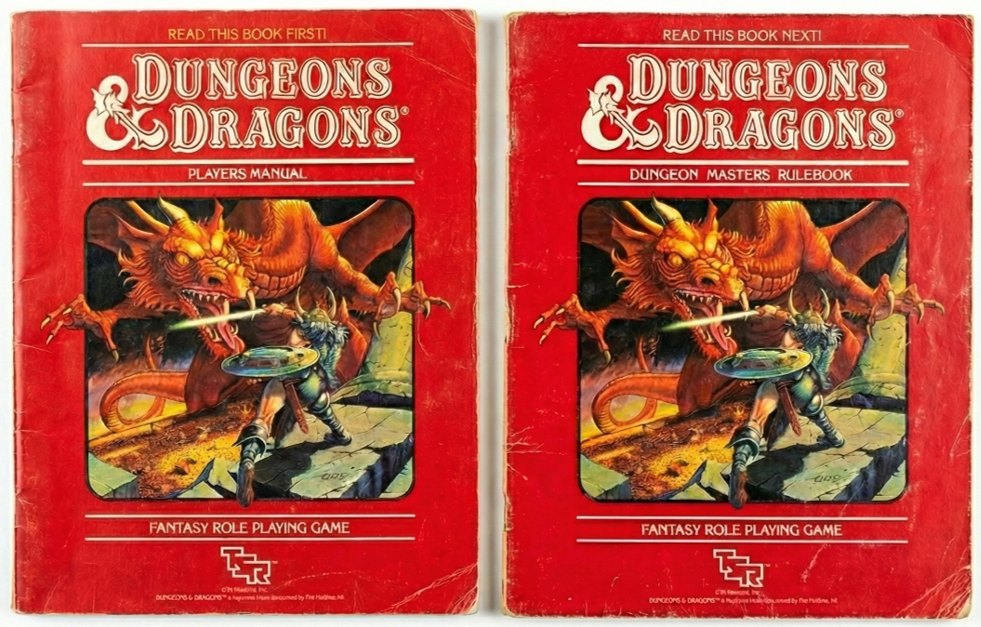
It started with the Red Box in 1986. D&D, and the evolution and variations of that ruleset, have remained the spine of my gaming life. From the Gygaxian prose of AD&D 1e, to the complexity of 3.5, to the sleekness of Shadowdark, D20 is a gaming language I speak fluently. Unlike the other lists included in this post, this one is roughly in chronological order of how I played them.
- D&D BECMI and Rules Cyclopedia
- AD&D 1st edition
- AD&D 2nd edition (including Ravenloft Masque of the Red Death & Skills & Powers)
- Buck Rogers XXVc (yes, the mechanics were pretty much AD&D 2e with sci-fi elements!)
- D&D 3rd & 3.5 edition
- Star Wars Saga System
- D&D 4th edition
- D&D 5th edition (2014 version, haven’t played the 2024 version yet!)
- D20 Modern
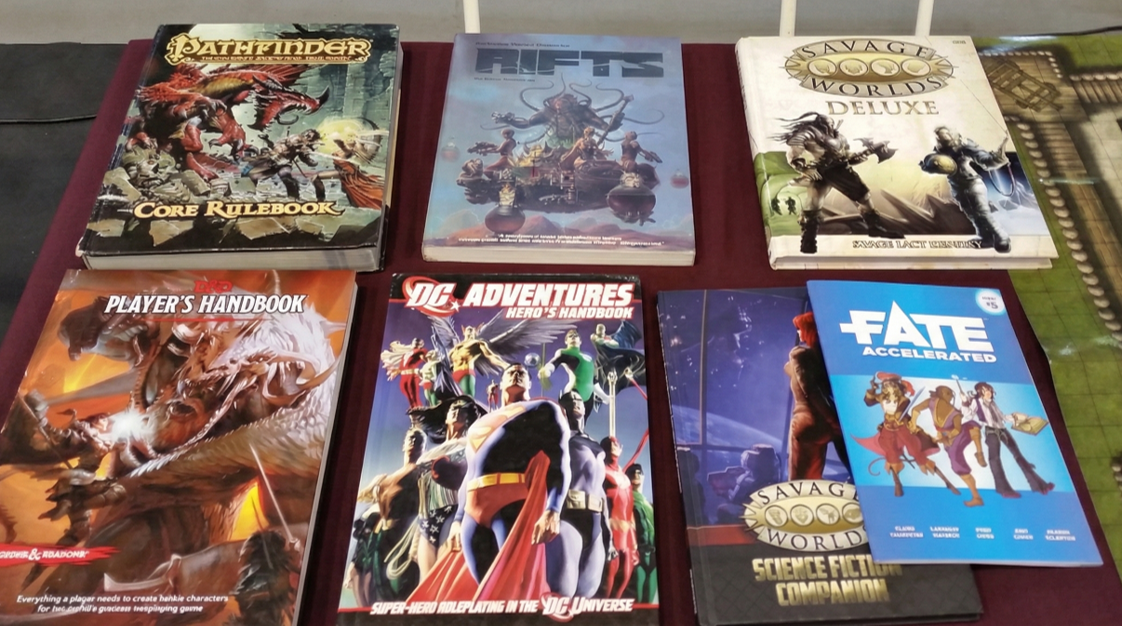
- Pathfinder
- Microlite20 (Fantasy and Zombies games)
- Mutants & Masterminds (2nd and 3rd edition, including DC Adventures)
- Basic Fantasy RPG (OSR retro-clone)
- Castles & Crusades (Troll Lord Games)
- Amazing Adventures (Troll Lord Games)
- Shadowdark
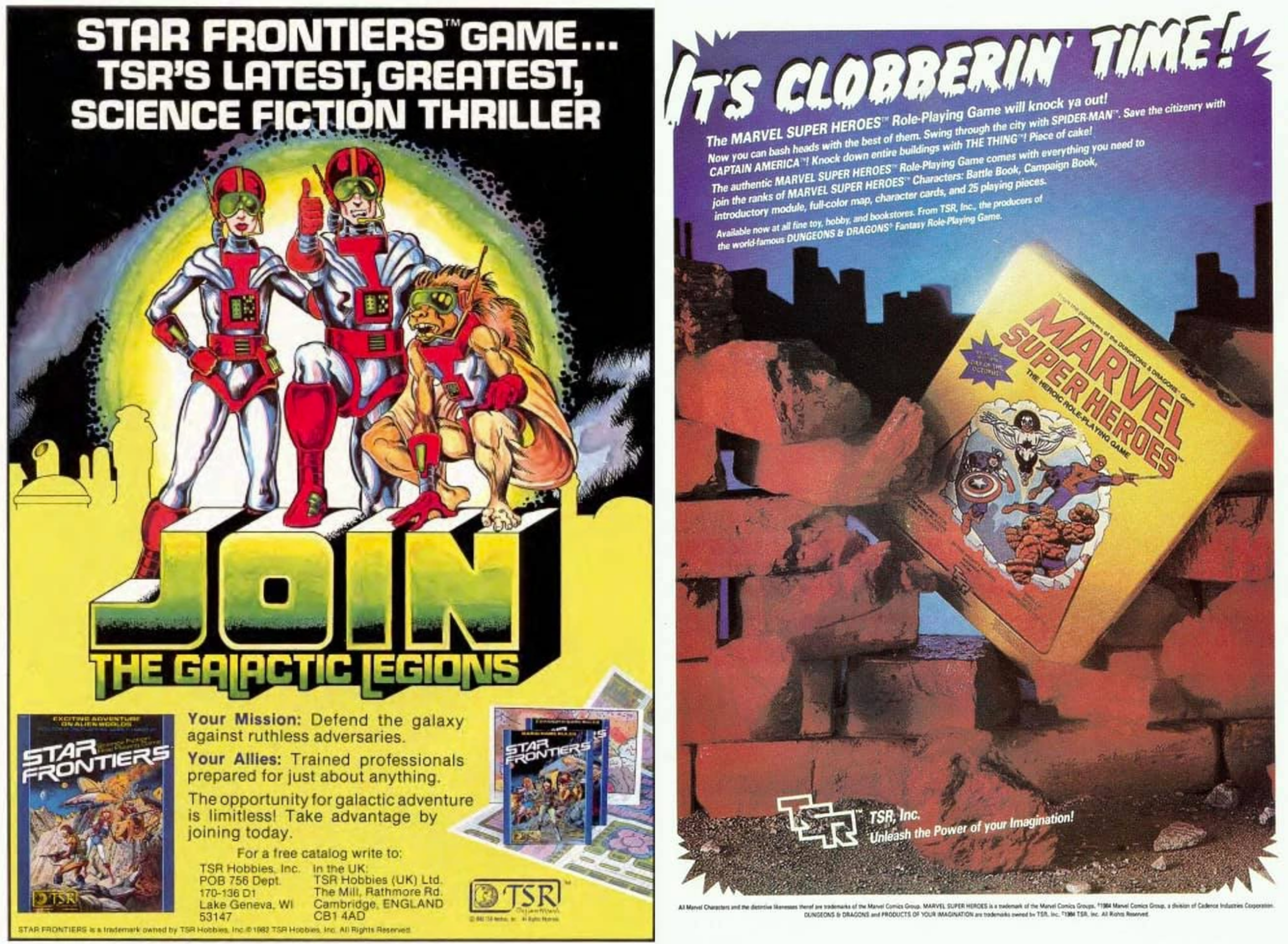
If you grew up gaming in the 80s and 90s, TSR was the biggest elephant in the room. I have a deep love for these systems, especially the FASERIP chart of Marvel Super Heroes, Star Frontiers, and Alternity.
- Alternity (TSR version)
- Amazing Engine (settings Bughunters & Galactos Barrier)
- Boot Hill
- DragonStrike (TSR’s boardgame role-play hybrid with a VHS cassette, I used this game to teach people how to play TTRPGs.)
- Gamma World (3rd and 4th edition)
- Marvel Super Heroes RPG (Basic & Advanced)
- Star Frontiers

Many of us played them. We struggled with the rules. We loved the settings. Rifts, Robotech, and Heroes Unlimited were absolute staples of my early gaming years.
- Beyond the Supernatural
- Heroes Unlimited
- Nightspawn (renamed Nightbane)
- Ninjas & Superspies
- Rifts
- Robotech (Palladium)
- Teenage Mutant Ninja Turtles and Other Strangeness

I didn’t play as much WoD as some of my friends in the early 90s, but I did play these three.
BESM & Tri-Stat (Guardians of Order)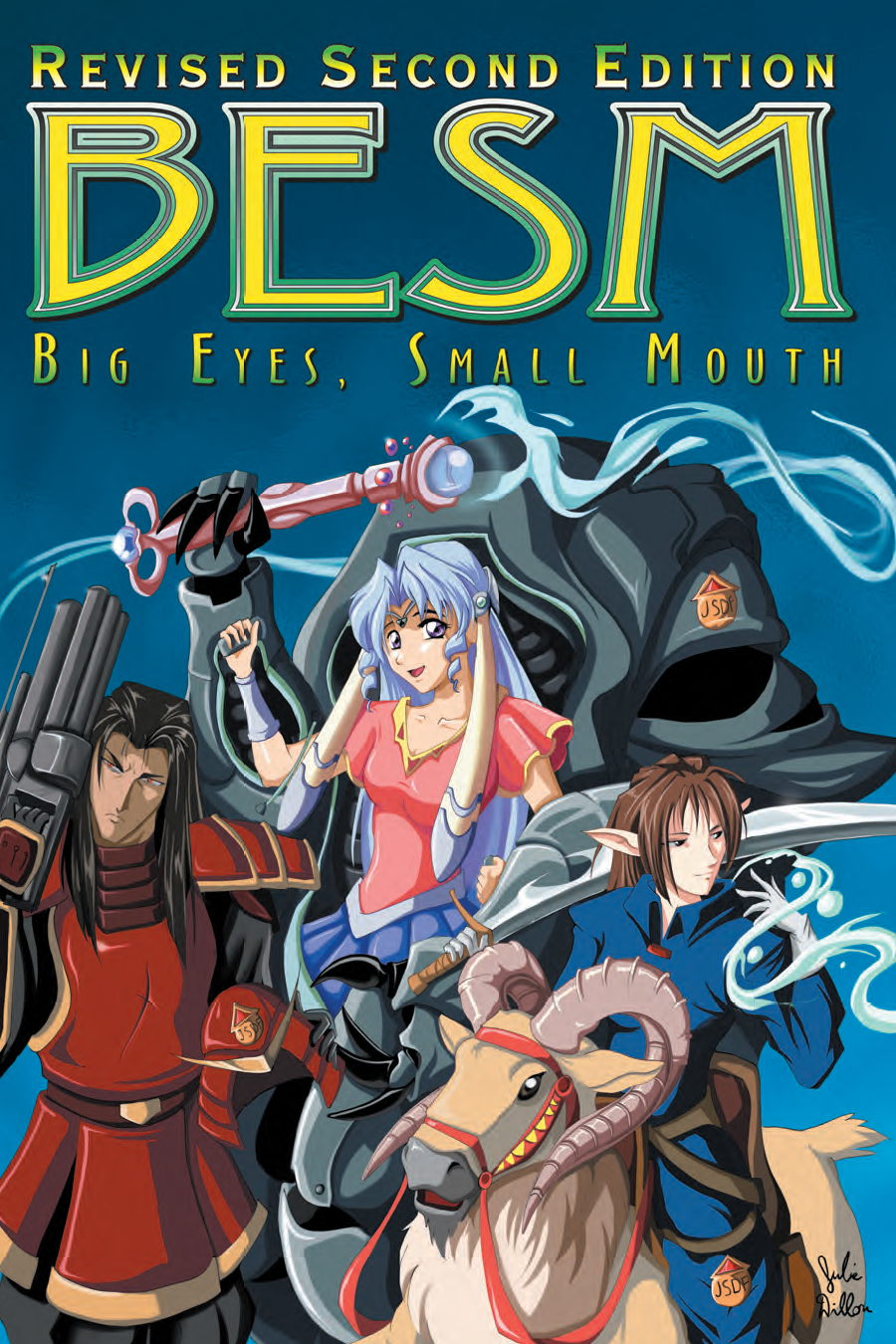
- Big Eyes Small Mouth 2nd edition
- Sailor Moon (I was a player in one session, I was Sailor Uranus. I kid you not!)
- Silver Age Sentinels
- Tri-Stat dX
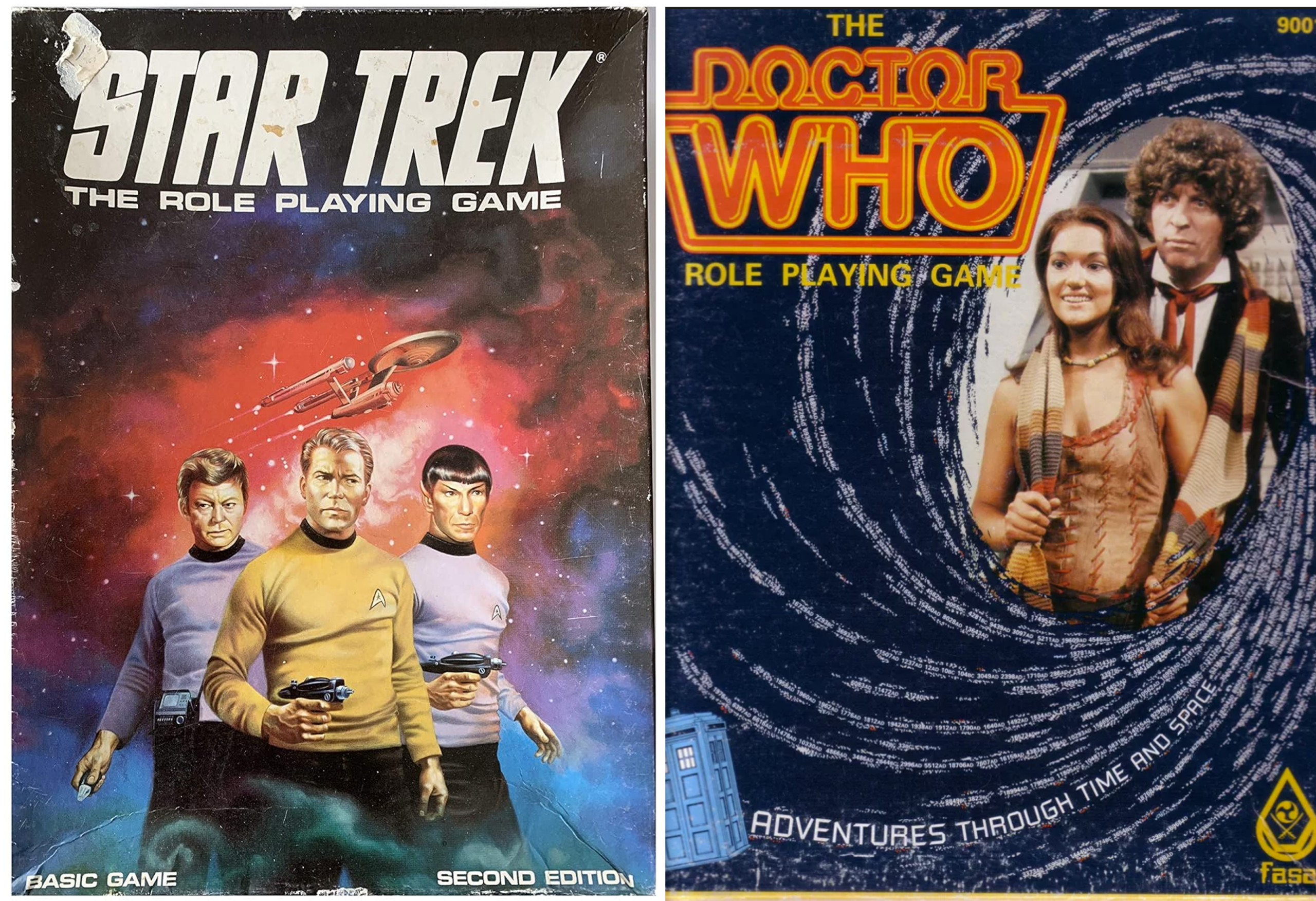
As you know from the blog, Sci-Fi is my other great love alongside Fantasy. From the hard sci-fi of Traveller to the space opera of Star Wars, I’ve tried to travel to as many stars as possible.
- Alien (Free League)
- Alien Survivor (Lady Blackbird Hack)
- Alternity (Sasquatch Games playtest)
- Battlelords of the 23rd Century
- Bubblegum Crisis
- Coriolis
- Cyberpunk
- Dr. Who (FASA)
- Fading Suns
- Justifiers
- Legacy 2nd edition
- Mega Traveller
- Paranoia
- PsiRun
- Shadowrun
- Shatterzone
- Space 1889
- Star Trek (FASA)
- Star Wars: The Roleplaying Game (D6)
- Stars Without Number Revised
- Underground
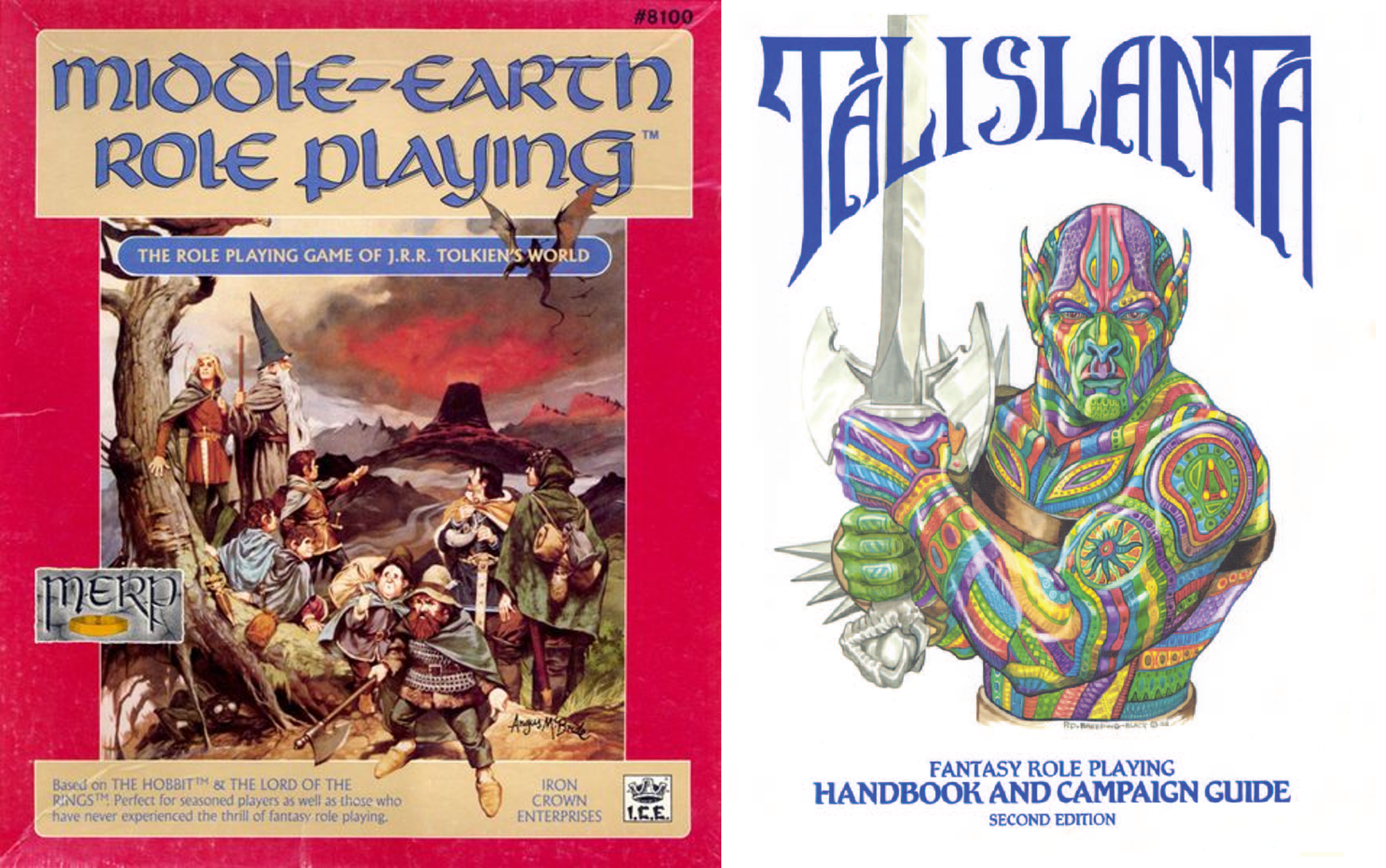
There is life beyond the D20! Some of my most evocative gaming memories come from teaching my high-school girlfriend’s little brother to role-play with HeroQuest, or from the narrative beauty of Lady Blackbird.
- Amber Diceless
- Fabula Ultima
- HeroQuest (the board game, used to teach how to play TTRPGs)
- Lady Blackbird
- Middle-Earth Role Playing (MERP)
- Symbaroum
- Talislanta (2nd edition)
- The Black Hack
- Warhammer Fantasy 1st edition
- Warrior, Rogue & Mage
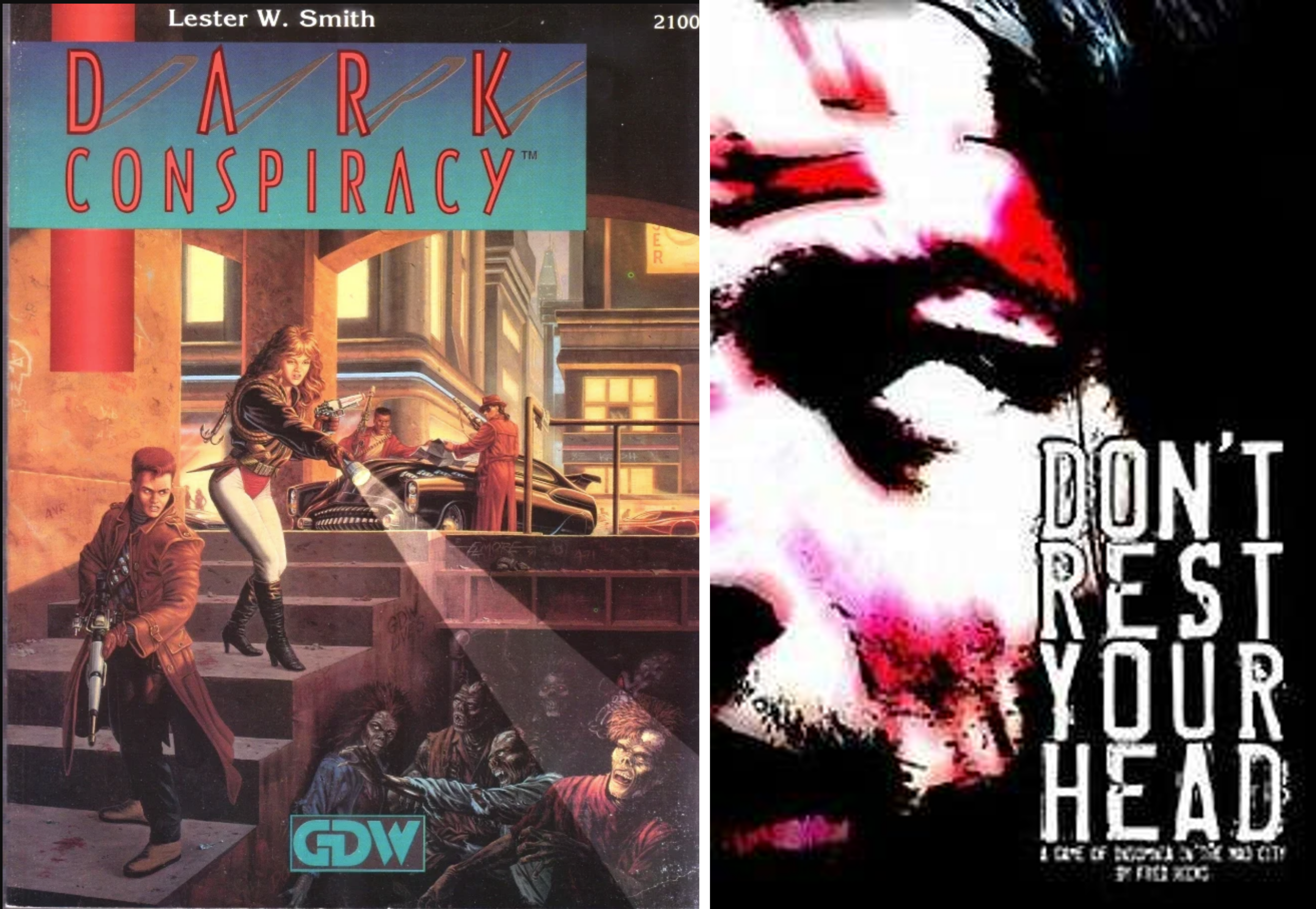
- Call of Cthulhu
- Cats of Catthulhu
- Dark Conspiracy
- Don’t Rest Your Head
- Eldritch Hack
- Silent Legions
- Ten Candles
- The Dead are Coming
- Twilight 2000 (1st edition)
- Car Wars (we integrated RPG elements early on, and eventually I played once using GURPS Autoduel)
- Ghostbusters
- It Came from the Late, Late, Late Show
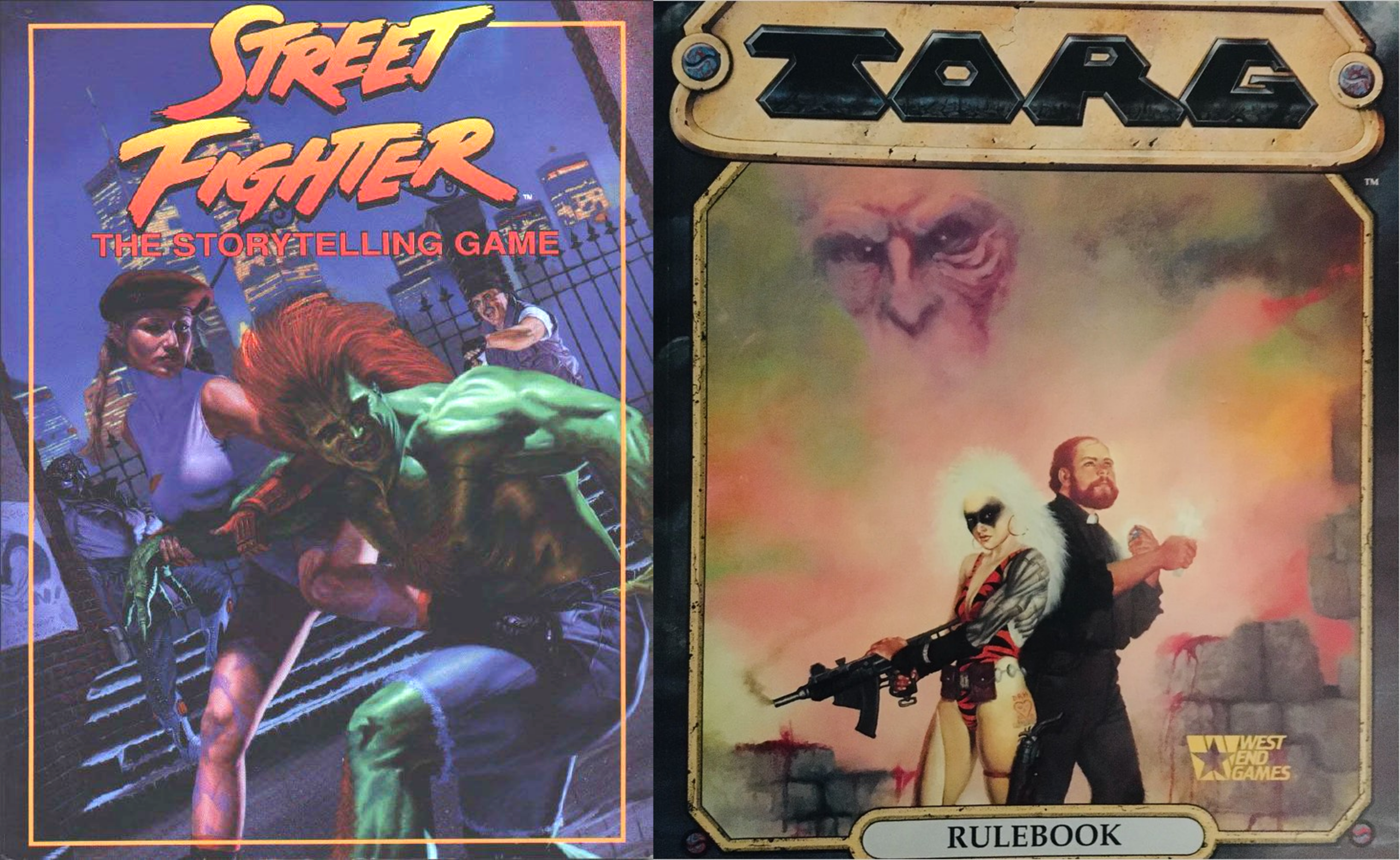
- Street Fighter
- TORG
- TORG Eternity
- Weird West
- Champions
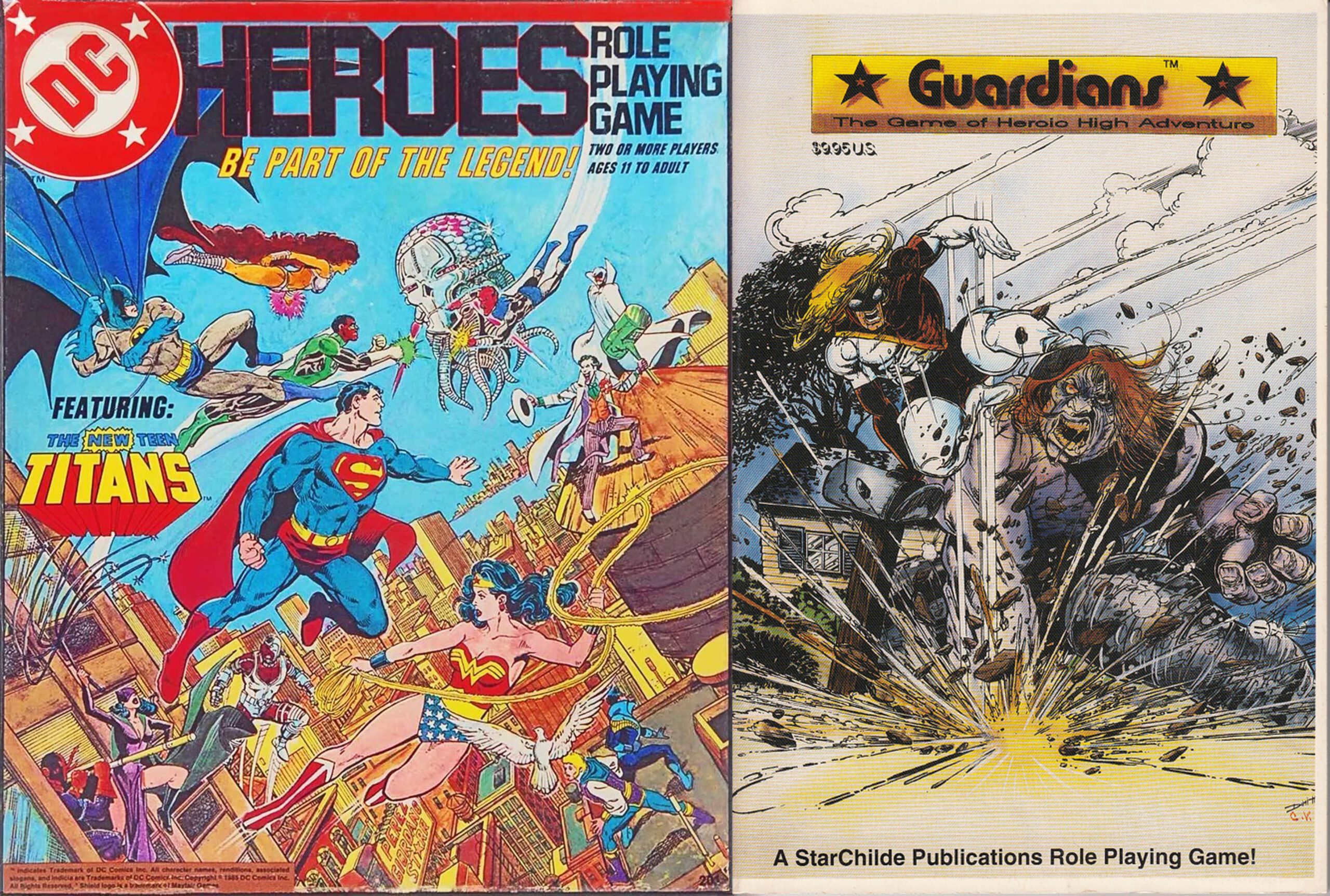
- Guardians (StarChilde Publishing)
- DC Heroes RPG
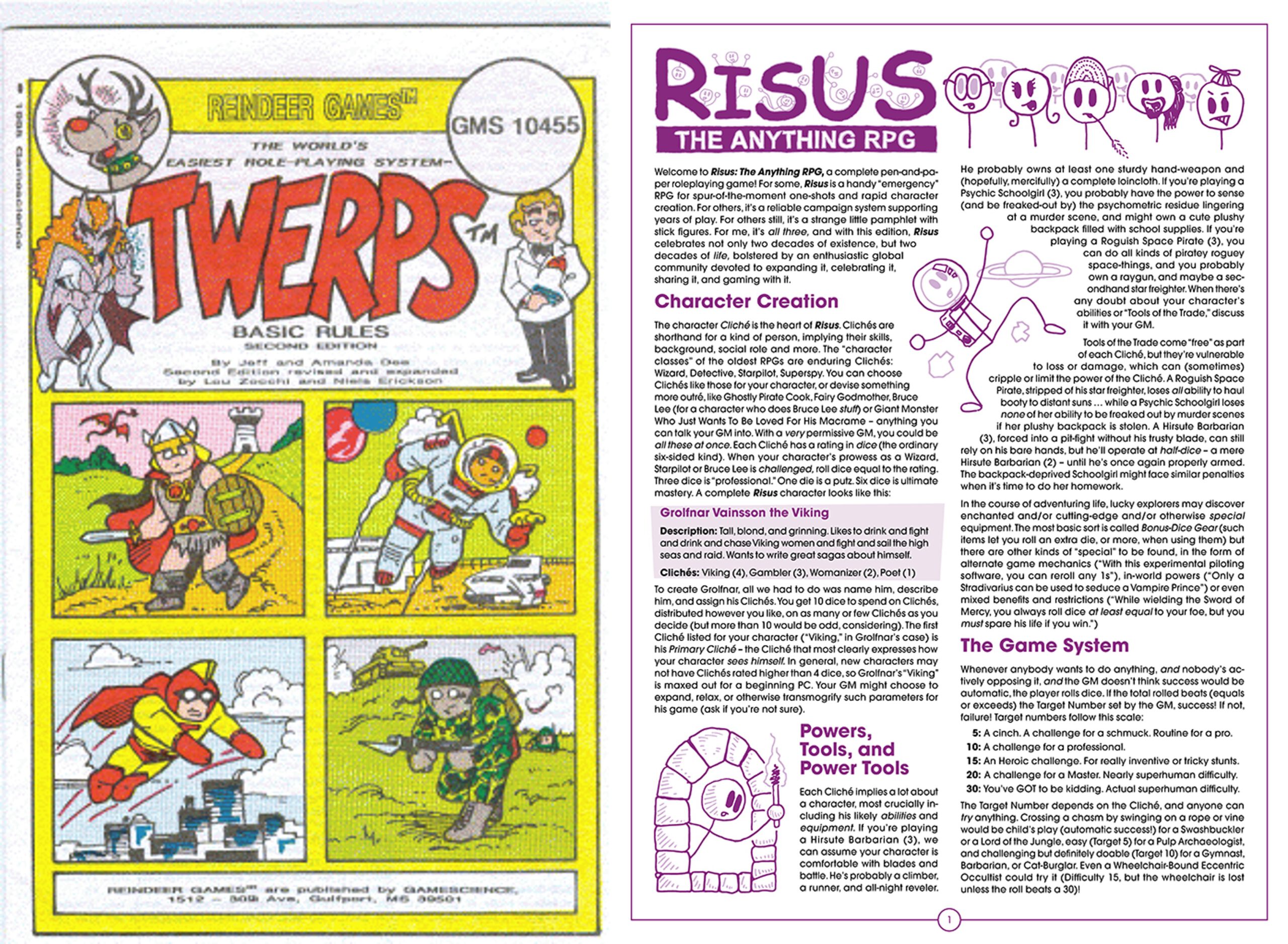
- FATE
- GURPS (1st and 2nd edition)
- RISUS
- Savage Worlds
- TWERPS

Finally, the tinkerer’s workshop. These are the systems my friends and I built. They might not be famous, but they work for us.
- Attack/Defend/Know (homebrew d10-based system)
- Bieber Fever! (That’s exactly what it sounds like, a Justin Bieber-based game, filled with pop icons and references. See the character sheet above!)
- Edwin’s OD20: Opposed D20 (a friend’s homebrewed system)
- MODS (Lao & Fernan’s system playtest)
- MUGeS (Homebrewed system in development)
- Oldchester (Kirk’s free-form narrative Play-By-Post)
- Simple D6 (homebrewed narrative system)
- Three Attributes & Fate (a quick homebrew I put together for a pick-up game)
So, there you have it. 100 systems.
It’s been a wild ride from the rudimentary mechanics of the 80s to the narrative-forward indie games of today. I have loved (almost) every minute of it.
If you want to keep up with these celebrations, share your own stories, or just chat about gaming in smaller bites, I’ve launched a new Facebook page to connect with friends and readers: Sunglar’s Musings.
I’ll be sharing shorter ideas, updates on the “40 Years a Gamer” series, and probably a few more old pictures of our games, I’d love to see you there.
Now, the big question remains: What should be game #101?
If you have a suggestion for a system that is glaringly missing from this list, let me know in the comments. Or, better yet, tell me how many systems you have played—whether it’s 5 or 500—I’d love to hear about your journey.
Categories: Tabletop Gaming Blogs
The Oakhaven Chronicle - "The Lavender Hour," Encounter - Wretched Darkness/Invisible College Rpg campaign - Session Report One
To kick off our Wretched Darkness/Invisible College Rpg campaign, we need to immediately establish that the city’s normalcy is a thin, rotting veil. We pulled into Oakhaven Pennsylvania and got out at the Rusty Nail Diner. Things were off right off the bat. The following encounter, "The Lavender Hour," is designed to bring your players together through a shared, Needleshttp://www.blogger.com/profile/11243274667834930867noreply@blogger.com0
Categories: Tabletop Gaming Blogs
Coriolis Flowers of Algorab Campaign set and more!
The Flowers of Algorab Campaign Boxed Set Coming February 3 – Now On Pre-Order
The first expansion for Coriolis: The Great Dark – Free League’s original sci-fi RPG
“Levon was a true explorer and a true friend. He went further and deeper than anyone before him. … As we pass him on to the Uncreated Spirit, we do so with gratitude. May the blessings of the Three guide him, and the Icons show him mercy.”
Hello!
Today, Free League Publishing announced that The Flowers of Algorab, the first expansion for its science-fiction tabletop roleplaying game Coriolis: The Great Dark, is now available for pre-order in the Free League webshop, with immediate access to a complimentary PDF, ahead of the February 3 release date.
This massive boxed campaign set invites Explorers to investigate the mysteries of Ship City, embark on dangerous expeditions, and travel along the Hammurabi Arm in search of long-lost secrets. The journey begins with the death of an old ruin delver and the disappearance of a mysterious stone tablet, setting off a strange chain of events deep within Ship City. The Flowers of Algorab
Designed as a full campaign experience, The Flowers of Algorab expands the world of Coriolis: The Great Dark with new locations, stories, and tools for both players and Game Masters. The boxed set includes:Campaign book detailing characters, locations, and overarching plotsExpedition booklet with player-facing information on Greatships and the systems of the Hammurabi ArmLarge full-color map of the Lost Horizon and Ship CityMap of the Charted SphereDelve maps and handoutsBlueprints of the Greatships Akhander and RigelBlueprints of a Grasshopper shuttle and a Rhino roverNine base dice and three gear diceDeck of custom cards for initiative, gear, and discoveriesCardboard tokens for Blight, supply, and expeditionsNote that the campaign requires access to the Coriolis: The Great Dark Core Rules.
Hello!
Today, Free League Publishing announced that The Flowers of Algorab, the first expansion for its science-fiction tabletop roleplaying game Coriolis: The Great Dark, is now available for pre-order in the Free League webshop, with immediate access to a complimentary PDF, ahead of the February 3 release date.
This massive boxed campaign set invites Explorers to investigate the mysteries of Ship City, embark on dangerous expeditions, and travel along the Hammurabi Arm in search of long-lost secrets. The journey begins with the death of an old ruin delver and the disappearance of a mysterious stone tablet, setting off a strange chain of events deep within Ship City. The Flowers of Algorab
Designed as a full campaign experience, The Flowers of Algorab expands the world of Coriolis: The Great Dark with new locations, stories, and tools for both players and Game Masters. The boxed set includes:Campaign book detailing characters, locations, and overarching plotsExpedition booklet with player-facing information on Greatships and the systems of the Hammurabi ArmLarge full-color map of the Lost Horizon and Ship CityMap of the Charted SphereDelve maps and handoutsBlueprints of the Greatships Akhander and RigelBlueprints of a Grasshopper shuttle and a Rhino roverNine base dice and three gear diceDeck of custom cards for initiative, gear, and discoveriesCardboard tokens for Blight, supply, and expeditionsNote that the campaign requires access to the Coriolis: The Great Dark Core Rules.
Categories: Tabletop Gaming Blogs
Adapting Secrets of the Immortals By Steve Miller From NUELOW Games To Jason Vey's Amazing Adventures From Troll Lord Games
"There are those among us who are virtual Immortals. They age slowly, and when they die no matter what the circumstances they are nearly instantly recreated in a new body. Some of them choose to watch the world go by from the sidelines, recording events and sometimes offering guidance to mere mortals through wisdom that is born from the perspective of someone who has been part of history Needleshttp://www.blogger.com/profile/11243274667834930867noreply@blogger.com0
Categories: Tabletop Gaming Blogs
Gen Con important dates and Deadlines
Gen Con Announces 2026 Registration Dates, Badge Prices
INDIANAPOLIS (January 13, 2026) — Gen Con, North America’s largest and longest-running tabletop gaming convention, announced badge registration information today for its upcoming 2026 convention. Gen Con 2026 will run from July 30 to August 2 at the Indiana Convention Center, Lucas Oil Stadium, and surrounding downtown hotels.
Badges for Gen Con 2026 will be available for purchase on Sunday, February 8, at noon Eastern on gencon.com. The convention will continue to feature thousands of ticketed in-person events, a sold-out Exhibit Hall, an outdoor Block Party with the Sun King Beer Garden, numerous food trucks, and live entertainment.
Badge Registration
Gen Con 2026 4-day and single-day badges will be available for purchase beginning at noon Eastern on February 8.
Badge TypePrice4-Day$164Thursday$83Friday$83Saturday$112Sunday$41Trade Day$302Hotel registration for discounted rooms in the Gen Con housing block will begin at noon Eastern on February 22, and event registration for ticketed events will open at noon Eastern on May 17.
Mark your calendars You don’t want to miss these dates.
Categories: Tabletop Gaming Blogs
D100 Inner Earth Encounters Table for Castles & Crusades, Xul’Abas the Ossified NPC, New Monster Ossified Ghoul (Undead), & New Dungeon - The Echoing Sepulcher
In the Castles & Crusades system, Inner Earth (often referred to as the Deep or the Infranight) is a realm of high-stakes resource management and primordial danger.Below is a d100 table of encounters designed to challenge a party’s Prime Attributes, resource levels, and survival instincts.D100 Inner Earth Encountersd100Encounter TypeDescription01-02EnvironmentalSulfur Pocket. Strong Needleshttp://www.blogger.com/profile/11243274667834930867noreply@blogger.com0
Categories: Tabletop Gaming Blogs
OSR Christmas - Still in Flu Hold - Aiming for Jan 18th
Sorry, but the brain fog and sinus headaches have lingered, which makes sorting and matching an imprecise effort at the moment.
I'm taking a few days of near total downtime - videos done and uploaded - just a few nightly livestreams.
Aiming to reset for Sunday.
Thanks for your patience.
Tenkar
Categories: Tabletop Gaming Blogs
The Grotesques’ Grotto
By Amerlia Luke
Necrotic Gnome
OSE
Levels 2-4
Necrotic Gnome
OSE
Levels 2-4
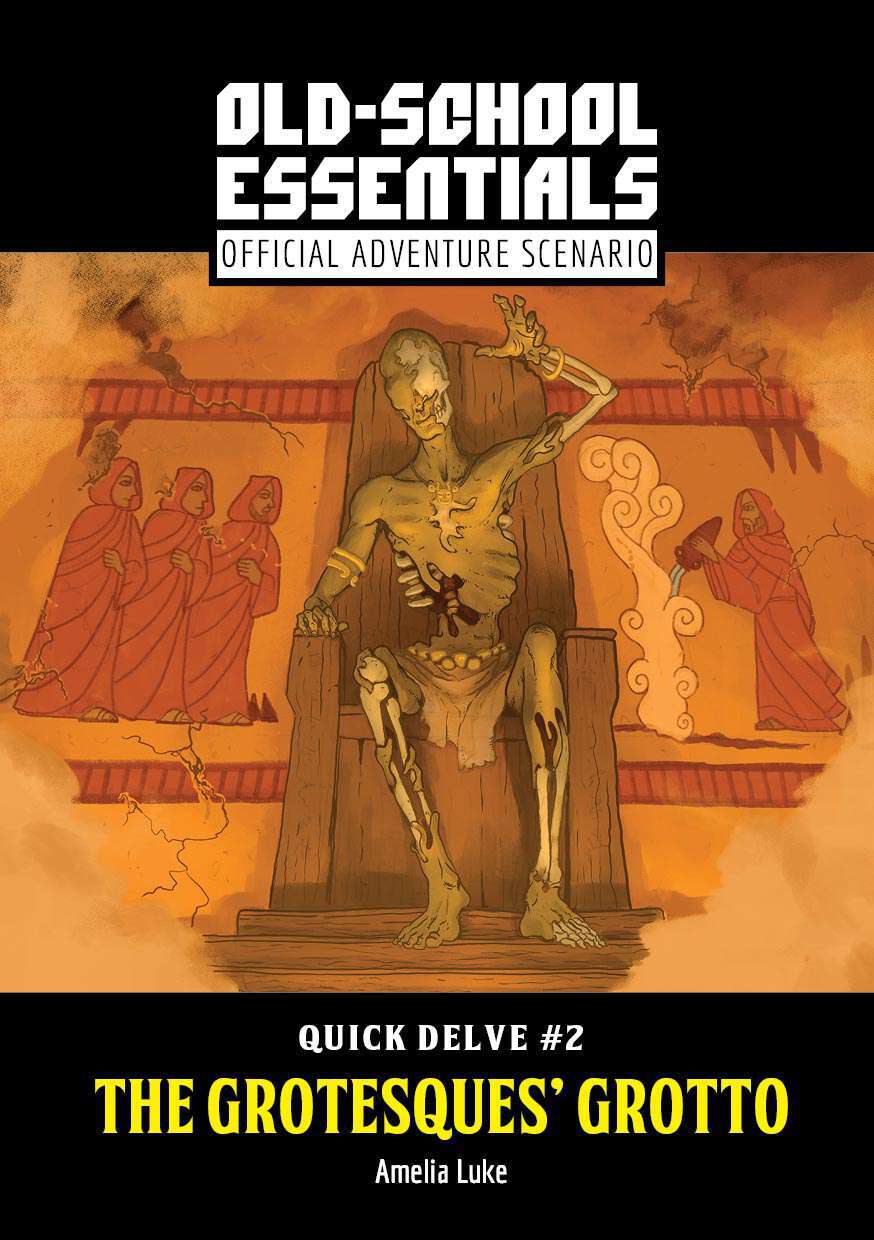
When an earthquake unseals the long-buried temple of the wild god Iakos, whispers of visions and ancient treasure draw witch hunters and adventurers alike. Four royal witch hunters entered and never returned. Now the way lies open. Dare characters brave the delirium-haunted ruin, discover the witch hunters’ fate, and claim what lies within?
This sixteen page adventure uses about nine pages to describe sixteen rooms in a newly unsealed “Greek Mysteries” cave/temple/place. A decent little adventure that sprinkles in a bit of various interactives and does good enough describing things. Meh, it’s fine. And “Meh, it’s fine.” is good enough. It’s a sixteen page dungeon in a sixteen page adventure; it doesn’t need to change the world. Also, it’s OSE but doesn’t use the OSE style guide, for you haters.
We’ve got Ye Olde Mysteries Cave here. You know, all volcanic vapours and oracular visions and all that jazz. Cept it got sealed up. Cept it just got UNSEALED up by an earthquake. (“An Evil Earthquake? With frigging lasers?”) Chasing downs ome rumors, four royal witch hunters went in. And didn’t come out again. Ought oh! Inside we’ve got three Grotesques, avatar/servants of the god. And after being sealed up for a thousand years they are desperate for new things to predict, having been isolated for so long. Two of them steal secrets from each other and hate each other. The third wishes to bring fulfill a prophecy and bring out the destruction of the temple. Slight case of ennui there buddy? Tried the Camus? Some people get comfort from religion. Oh, sorry.
Already we can see a few interesting things, just from the setup. The call back to the actual Delphi is a nice one, this kind of an appeal to a cultural memory that then overloads all of whats to come in the adventure. I sometimes refer to room titles in an adventure, instead of putting in “Room 1” you instead say “1. Pristine Kitchen” This lets the mind get a kind of framing of the description to come. Everything is seen through the lens of Pristine Kitchen. And the appeal to the heritage is much the same. Ophelia comes with context. History. All the media that’s every existed that has leveraged it that the DM and the players have consumed, consciously and subconsciously. And so all of that is leveraged when an adventure makes direct or oblique references to it. It’s all about bringing more than the actual words written to the page. Big vs Cyclopean. And then also the Royal Witch Hunters. Specificity. There’s not much more information so the mind naturally races to fill in the gaps, wondering. Not “adventurers.” Or the better “Mercenaries.” Or the better “Murder hobos.” But the better still “Royal Witch Hunters.” One still lives, inside the cave/temple. “Mu freely volunteers that this is the witch hunter Crawe, who was set upon by Empties when Mu tired of him. Mu is able to reverse the process but sees no reason to.” Nicely done. Except, also, I don’t give a shit about the witch hunter, Crawe or not. No reputation for good or ill, no connection. The royal witch hunters don’t really get enough for anyone to really care about their fate. I guess the various prisoners in the OG adventures don’t really either. “Elf. Will join party for one year.” But, also, it’s clearly meant to be a kind of motivation since they Do get the title “royal witch hunter” instead of “elf.” Ahhh, I’m not really bitching here, I’m just pointing out the disconnect.
Monsters noted on the map, which is the OSE style. The keywords style isn’t really present here. These are more like a traditional read-aloud and extra information format. Here’s a screencap:
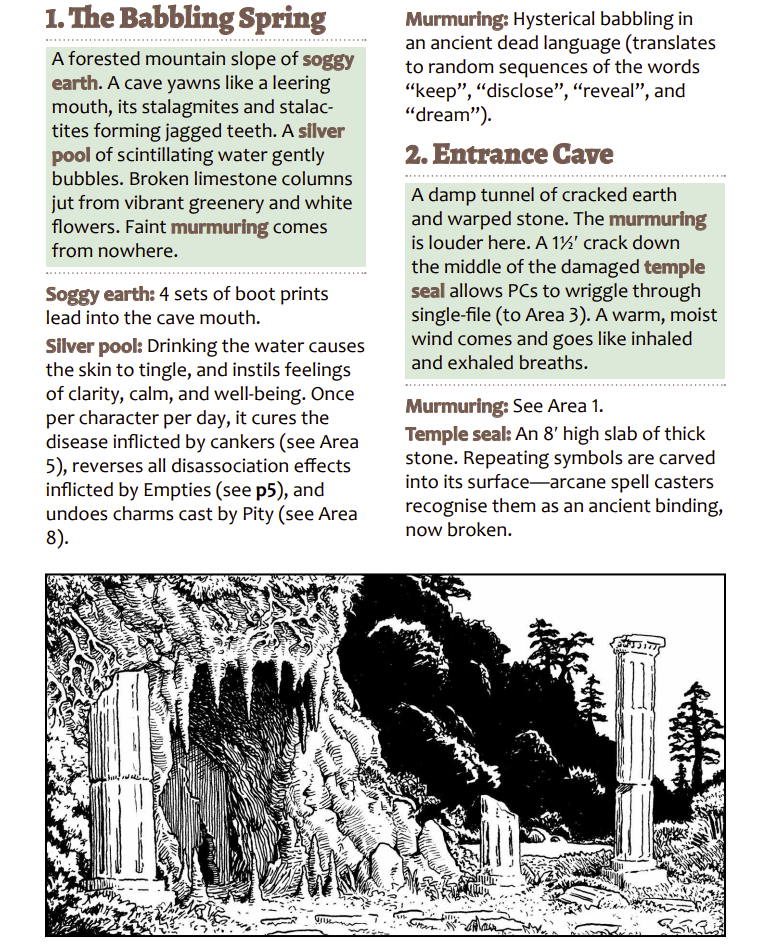
I don’t mind the old keyword style, but I do know it gets under the skin of the traditionists. I do like a more sentence like structure, but, that’s just personal preference. Whatever works and the old OSE style works as does this one. Nice little offset in a color box, some bolding. Not the biggest fan of “see area one”, but whatever. Soggy Earth. Silver Pool. Murmuring. Nice descriptive words. It doesn’t always follow through like that. “Ornate stone table” “honeycombed shelves” and the like. But it’s clearly trying in both instances.
Oh, also:
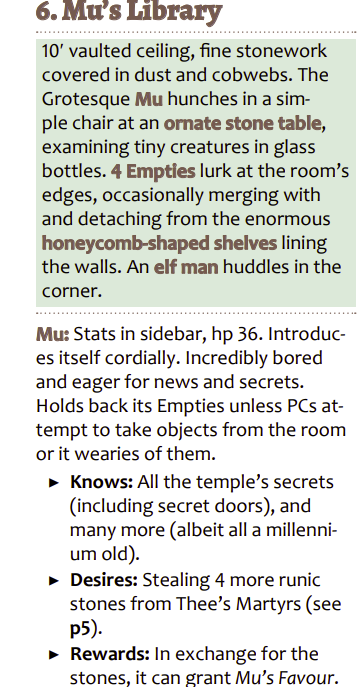
From that read-aloud I think we can tell that, maybe, it’s not read-aloud. If it IS read-aloud then it over-reveals. So, then … it’s a DM summary? That we riff on to players? I’m not actually sure it’s either. And I think it shows in my feelings towards this thing. I’m not sure it knows what it wants to do with that text. That kind of muddiness is what is influencing my “meh” attitude toward this. It can’t lean in. And so I can’t. As a read-aloud it over-reveals. As a DM summary it is no summary. So … ?
Monsters get some ok descriptions. “A giant, bloated maggot, 20? long,
armoured in a shimmering, polychromatic exoskeleton. Six 10? long tentacles ring its small, toothless maw” Or how about “pity”, “Pity 5? tall, female water spirit with fey, elf-like features. Nearly skeletal, tousled hair, feral eyes. Clad in a spectral, tattered gown.” Nice appeal to what one would normally expect of a water spirit … after a thousand years. These are not winning any awards but they are so much better than one would normally see. [Also, as an aside, the artwork in this adventure compliments the descriptions quite well. The entrance illustration in the first screencap, for example. And the water spirit brings the kind of emaciated horror without going overboard. Simon Underwood, with Gavin as “Art Direction”, whatever that is. He told Simon what to draw?] Anyway, the monster descriptions are up front in their text and focus on what they look like, act like, interact as. Which is what the fuck they should do.
And, thus, interactivity. We’ve got some “steal the loot without busting the tree pustule” stuff. (Which, I note, doesn’t really come out in that summary description, explicitly or implicitly.) We’ve got the three Grotesques, who want to talk until they get bored with you. (Always good advice in every situation: don’t be boring.) Maybe they want you to go steal something. Pity, who wants to eat two people. A prisoner. And the whole “fulfill the prophecy” thing. There’s some stabbing and talking. I don’t know. It feels a little lacking. Then again, I might just be bitching about the small size. Four or five different things going on in sixteen rooms is a little cramped, yes? Anyway, not many mysteries to discover here. But, also, a nice little “push” on what to do if the party fucks up the prophecy, as well as some decent consequences for fulfilling them that doesn’t fuck shit up too much but still provides something meaningful. And, nice magic item. This is the kind of non-generic shit that really gets me going. escalate in villainy. Make those asshats Grotesques do some shit for you. 100′ caldera. Nice job!
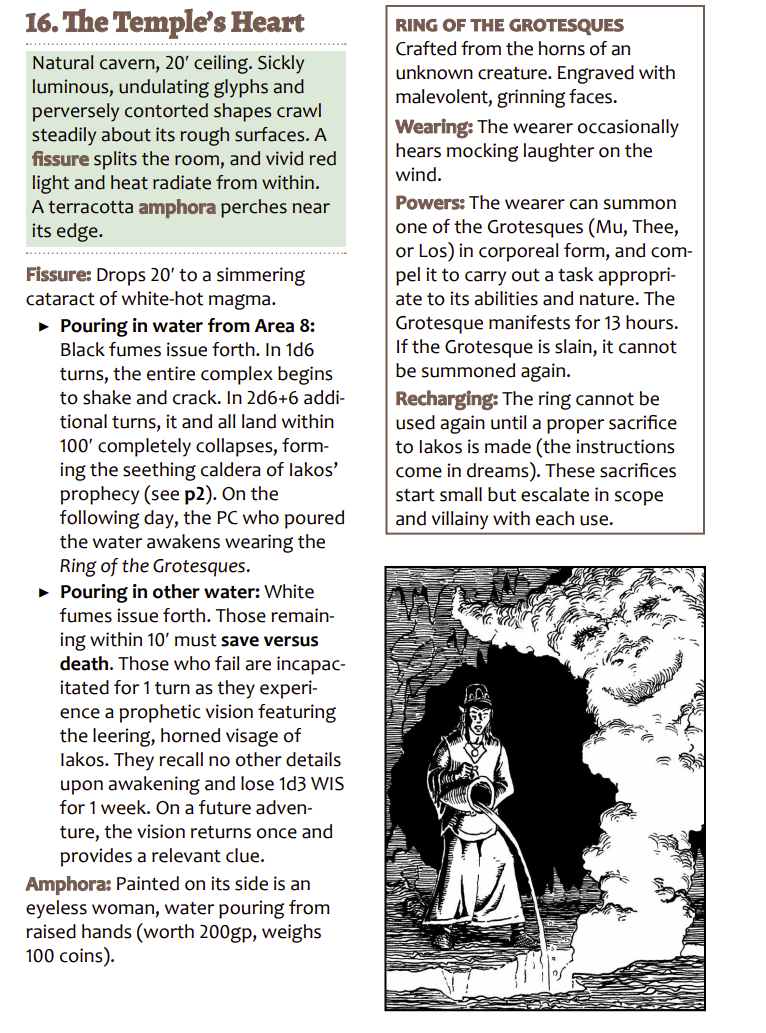
I’m not mad, not at all. I think it’s one of those cases where you see potential and its not really attained. I suspect its the smaller size of this place. A little more expansive complex, more space to breathe, to match the scope. Anyway, good effort here, just not quite enough.
This is $5 at DriveThru. The preview is twelves pages. More than enough to make an informed purchasing decision. Necrotic Gnome hitting that production pipeline checklist!
https://www.drivethrurpg.com/en/product/547110/quick-delve-2-the-grotesques-grotto?1892600
Categories: Tabletop Gaming Blogs
Wednesday Comics: DC, April 1985 (week 3)
I'm reading DC Comics' output from January 1980 (cover date) to Crisis! This week, I'm looking at comics that were published on January 17, 1985.
New Teen Titans #7: José Luis García-López arrives as new penciler so this issue looks gorgeous, whatever else. We get the return of Azrael (though he isn't given that name in this issue). I appreciate that, even though this book and Tales aren't taking place at the same time, similar topics (like this winged alien) come up concurrently in both. It does make it difficult keeping recent events in each title straight, though. Anyway, not long after Azrael shows up, again declaring his love for Lilith, she's kidnapped by her mother, who turns out not only to be a ruthless businesswoman also the Titan of myth, Thia. The (Teen) Titans go to the Amazons for help with this Greek mythology stuff, but they find Paradise Island in ruins and all the Amazons gone.
Batman and the Outsiders #20: Aided by Jane Denniger, the whip-wielding Syonide and some goons go to kidnap Halo and her parents. They are working for Black Lightning foe Tobias Whale, who believes Violet Harper is feigning her amnesia and still has in her "photographic memory" a formula her and her deceased boyfriend stole. Halo manages to summon the Outsiders, but her parents still wind up getting killed by Syonide. As they are dying, she tells them she has regained her memory, and she loves them. At their graveside, she reveals to Katana that she still doesn't remember her past life at all and the lie was to comfort them.
While Jane Denniger is likely unreliable, her version of events paints the previous Violet Harper as more than the delinquent I had taken her for but a full-on sociopath. Nothing in the issue contradicts this narrative, though obviously as we still don't know how she was resurrected, there is more to be revealed.
Blue Devil #11: Klein and Smith/Gustovich sub in with this even more humor-oriented that usual story. The Blue Devil movie is over-budget, Werner is breathing down Marla's neck to wrap things up, and Dan is sick. When Werner's auditor comes for a visit, an unconscious Dan dreams a series of surreal sequences where he is pursued by the super-villainous Auditor. In the end, though, the real auditor proves a nice guy, the movie is completed, and Dan gets medical attention.
These recent issues make it seem like they book doesn't really have a direction.
Conqueror of the Barren Earth #3: Cohn and Randall pick up where last issue left off with the armies of Zhengla confronting the Harashashan. Jinal maneuvers the situation so that the Harashashan join Zhengla's army of conquest. In all public ways she appears the loyal consort of the conqueror, but their all hints she may be playing bigger game. The rulers of D'Roz think so, as they fear Jinal will manipulate Zhengla into attacking them. They lay a trap with a community of stranded Qlov, but it backfires, and Jinal has to do little convincing to get Zhengla to turn his sights on the city.
Green Lantern #187: Well, the Wein and Gibbons run didn't amount to much, though they did introduce some new elements (namely the Predator and Hal giving up the ring) later teams will have to deal with. This issue is a fill-in by Kupperberg and Willingham before the new, regular team starts. After Rich's funeral, Carol and Hal both note the distance in their relationship, but neither knows the cause. It isn't helped when Carol finds the Predator in her house. He again declares his love, and Hal shows up to fight him, but gets beaten up. Meanwhile, Bruce Gordon decides to leave Ferris Aircraft, and Stewart as Green Lantern flubs the rescue of a space shuttle (though it turns out all right, no thanks to him). Frustrated by his mistakes, he goes to the Oans to request training, and they assign Katma Tui to help out.
There's a backup Tales of the Green Lantern Corps by Baron with atypically cartoony art from Rogers. It's the story of a mom Green Lantern that uses a bubble blown with her kid's toy to escape a yellow energy bubble.
Infinity, Inc. #13: This is the last issue penciled by Newton before his death. Shooter allowed Joe Rubinstein to temporarily waive his exclusive contract with Marvel to ink it. Silver Scarab, Fury, Jade, and Nuke Four take a vacation on a secluded tropical island and do some skinny-dipping. They meet up with a woman named Rose who has been alone on the island sometime, studying its flora. That night they are attacked by Thorn who claims to be Rose's sister and wields plant control powers. They defeat her and leave, taking Rose with them, unaware that she and Thorn are actually the same person.
There's a pinup at the end of this issue by a young artist named Todd McFarlane who we are told will be doing more work for Infinity, Inc. in the future.
Superman Special #3: The writing credit is Bridwell/Wein, and it definitely seems like a Bridwell story as part of it deals with tying up the loose end of a previous story establishing that a Daily Planet employee inadvertently discovered Superman's secret identity. After getting hypnotized by his nephew (a stage magician), he spills the secret. The nephew uses it to harass Clask briefly, all in good fun of course. Meanwhile, Superman is trying to deal with a reconstructed Amazo and bring in Professor Ivo. Superman manages to accomplish all this, then super-hypnotizes (with their consent) both the Planet employee and the magician to make then forget his identity.
Sgt. Rock #399: In the main story by Kanigher and Gonzales, Rock is with the remnant of Baker Company when they are ambushed by the SS and killed after surrendering. Easy finds the site of the massacre and Rock's dog tags, so they assume he is dead. But then who is pursuing and picking off the SS soldiers? Spoilers: Rock isn't dead.
The second story, written and drawn by Darren Auck is a futuristic story of two highly trained soldiers representing the two power blocs going at it one on one. The loser is surprised to find out he's being facing a robot.
Saga of Swamp Thing #35: Moore and Bissette/Totleben return to a bit of an environmentalist message as a toxic and deranged homeless man ("Nukeface") from a Pennsylvania town abandoned due to a coal seam fire and turned into a nuclear waste dump arrives at the swamps around Houma. He kills one man by sharing his deadly hootch, then poisons Swamp Thing. I had thought perhaps this issue was inspired by the 80s horror film Street Trash, but it predates it by over 2 years.
Warlord #90: I reviewed this issue here.
Who's Who #2: This issue has a lot of bat characters. Earth-One Batman's text crowds his picture into a small size. They'll be more willing to give major characters two pages in later issues. Interesting, Azrael gets a half-page here, though he's only really had teaser appearances so far, it doesn't give the entry much to go on. Also, Black Canary is shown in a new costume--one that hasn't appeared in a story yet!

New Teen Titans #7: José Luis García-López arrives as new penciler so this issue looks gorgeous, whatever else. We get the return of Azrael (though he isn't given that name in this issue). I appreciate that, even though this book and Tales aren't taking place at the same time, similar topics (like this winged alien) come up concurrently in both. It does make it difficult keeping recent events in each title straight, though. Anyway, not long after Azrael shows up, again declaring his love for Lilith, she's kidnapped by her mother, who turns out not only to be a ruthless businesswoman also the Titan of myth, Thia. The (Teen) Titans go to the Amazons for help with this Greek mythology stuff, but they find Paradise Island in ruins and all the Amazons gone.

Batman and the Outsiders #20: Aided by Jane Denniger, the whip-wielding Syonide and some goons go to kidnap Halo and her parents. They are working for Black Lightning foe Tobias Whale, who believes Violet Harper is feigning her amnesia and still has in her "photographic memory" a formula her and her deceased boyfriend stole. Halo manages to summon the Outsiders, but her parents still wind up getting killed by Syonide. As they are dying, she tells them she has regained her memory, and she loves them. At their graveside, she reveals to Katana that she still doesn't remember her past life at all and the lie was to comfort them.
While Jane Denniger is likely unreliable, her version of events paints the previous Violet Harper as more than the delinquent I had taken her for but a full-on sociopath. Nothing in the issue contradicts this narrative, though obviously as we still don't know how she was resurrected, there is more to be revealed.

Blue Devil #11: Klein and Smith/Gustovich sub in with this even more humor-oriented that usual story. The Blue Devil movie is over-budget, Werner is breathing down Marla's neck to wrap things up, and Dan is sick. When Werner's auditor comes for a visit, an unconscious Dan dreams a series of surreal sequences where he is pursued by the super-villainous Auditor. In the end, though, the real auditor proves a nice guy, the movie is completed, and Dan gets medical attention.
These recent issues make it seem like they book doesn't really have a direction.

Conqueror of the Barren Earth #3: Cohn and Randall pick up where last issue left off with the armies of Zhengla confronting the Harashashan. Jinal maneuvers the situation so that the Harashashan join Zhengla's army of conquest. In all public ways she appears the loyal consort of the conqueror, but their all hints she may be playing bigger game. The rulers of D'Roz think so, as they fear Jinal will manipulate Zhengla into attacking them. They lay a trap with a community of stranded Qlov, but it backfires, and Jinal has to do little convincing to get Zhengla to turn his sights on the city.

Green Lantern #187: Well, the Wein and Gibbons run didn't amount to much, though they did introduce some new elements (namely the Predator and Hal giving up the ring) later teams will have to deal with. This issue is a fill-in by Kupperberg and Willingham before the new, regular team starts. After Rich's funeral, Carol and Hal both note the distance in their relationship, but neither knows the cause. It isn't helped when Carol finds the Predator in her house. He again declares his love, and Hal shows up to fight him, but gets beaten up. Meanwhile, Bruce Gordon decides to leave Ferris Aircraft, and Stewart as Green Lantern flubs the rescue of a space shuttle (though it turns out all right, no thanks to him). Frustrated by his mistakes, he goes to the Oans to request training, and they assign Katma Tui to help out.
There's a backup Tales of the Green Lantern Corps by Baron with atypically cartoony art from Rogers. It's the story of a mom Green Lantern that uses a bubble blown with her kid's toy to escape a yellow energy bubble.

Infinity, Inc. #13: This is the last issue penciled by Newton before his death. Shooter allowed Joe Rubinstein to temporarily waive his exclusive contract with Marvel to ink it. Silver Scarab, Fury, Jade, and Nuke Four take a vacation on a secluded tropical island and do some skinny-dipping. They meet up with a woman named Rose who has been alone on the island sometime, studying its flora. That night they are attacked by Thorn who claims to be Rose's sister and wields plant control powers. They defeat her and leave, taking Rose with them, unaware that she and Thorn are actually the same person.
There's a pinup at the end of this issue by a young artist named Todd McFarlane who we are told will be doing more work for Infinity, Inc. in the future.

Superman Special #3: The writing credit is Bridwell/Wein, and it definitely seems like a Bridwell story as part of it deals with tying up the loose end of a previous story establishing that a Daily Planet employee inadvertently discovered Superman's secret identity. After getting hypnotized by his nephew (a stage magician), he spills the secret. The nephew uses it to harass Clask briefly, all in good fun of course. Meanwhile, Superman is trying to deal with a reconstructed Amazo and bring in Professor Ivo. Superman manages to accomplish all this, then super-hypnotizes (with their consent) both the Planet employee and the magician to make then forget his identity.

Sgt. Rock #399: In the main story by Kanigher and Gonzales, Rock is with the remnant of Baker Company when they are ambushed by the SS and killed after surrendering. Easy finds the site of the massacre and Rock's dog tags, so they assume he is dead. But then who is pursuing and picking off the SS soldiers? Spoilers: Rock isn't dead.
The second story, written and drawn by Darren Auck is a futuristic story of two highly trained soldiers representing the two power blocs going at it one on one. The loser is surprised to find out he's being facing a robot.

Saga of Swamp Thing #35: Moore and Bissette/Totleben return to a bit of an environmentalist message as a toxic and deranged homeless man ("Nukeface") from a Pennsylvania town abandoned due to a coal seam fire and turned into a nuclear waste dump arrives at the swamps around Houma. He kills one man by sharing his deadly hootch, then poisons Swamp Thing. I had thought perhaps this issue was inspired by the 80s horror film Street Trash, but it predates it by over 2 years.

Warlord #90: I reviewed this issue here.

Who's Who #2: This issue has a lot of bat characters. Earth-One Batman's text crowds his picture into a small size. They'll be more willing to give major characters two pages in later issues. Interesting, Azrael gets a half-page here, though he's only really had teaser appearances so far, it doesn't give the entry much to go on. Also, Black Canary is shown in a new costume--one that hasn't appeared in a story yet!
Categories: Comic Book Blogs, Tabletop Gaming Blogs
The Mission Encounter: The Bio-Signature Gambit Including Introduction, random tables, and player hand outs
This script is designed to be read aloud to your players. It transitions from the "blue-collar" reality of Hostile/Orbital 2100 into the high-octane horror of the hunt.Title: The Sound of the Meat-Grinder(Begin with a low, industrial hum. If you have ambient background music, use something metallic and rhythmic.)"The contract was supposed to be simple. You’re three weeks into a deep-space Needleshttp://www.blogger.com/profile/11243274667834930867noreply@blogger.com0
Categories: Tabletop Gaming Blogs
Pages
